About This Book
This work has been selected by scholars as being culturally important, and is part of the knowledge base of civilization as we know it. This work is in the "public domain in the United States of America, and possibly other nations. Within the United States, you may freely copy and distribute this work, as no entity (individual or corporate) has a copyright on the body of the work. Scholars believe, and we concur, that this work is important enough to be preserved, reproduced, and made generally available to the public. We appreciate your support of the preservation process, and thank you for being an important part of keeping this knowledge alive and relevant.
poverty
Wonderlit Review
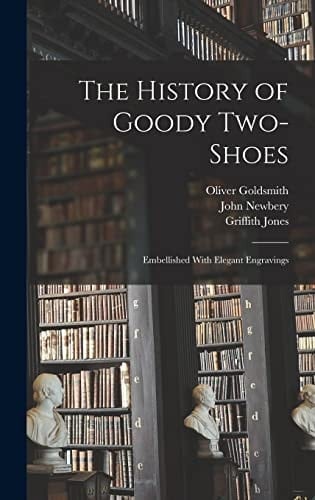
This foundational work in children's literature introduces Margery Meanwell, an orphan who, after receiving a pair of shoes, joyfully exclaims "Two shoes!" and earns her famous nickname. The story chronicles her journey from destitution to becoming a beloved and respected teacher in her community. It's a didactic tale, typical of 18th-century children's books, emphasizing the virtues of perseverance, kindness, and the transformative power of education.
The book handles the sensitive topic of poverty by presenting it as a challenging starting point for the protagonist, rather than an insurmountable barrier. The narrative focuses on Goody Two-Shoes' proactive efforts to learn and her generous spirit in sharing her knowledge, ultimately leading to her social and personal upliftment. The emotional arc begins with hardship and loss, transitions through diligent self-improvement, and culminates in a heartwarming triumph of virtue and community recognition.
This book is ideal for children learning about the importance of education, the rewards of kindness, and the concept of overcoming adversity. It's also a wonderful choice for parents looking to introduce classic literature and discuss historical contexts. Parents should be prepared to explain some of the older language and the moralistic tone, which differs from contemporary children's stories. Younger readers (4-6) will appreciate the simple narrative of a kind girl who loves learning, while older children (7-8) can delve deeper into the themes of social mobility, community contribution, and the historical significance of the text. What sets this book apart is its status as one of the earliest English children's books written specifically for a young audience, modeling behavior and promoting literacy in an accessible way.
If Your Family Enjoyed This

Reviews
No reviews yet. Be the first to share how this book landed with your family.