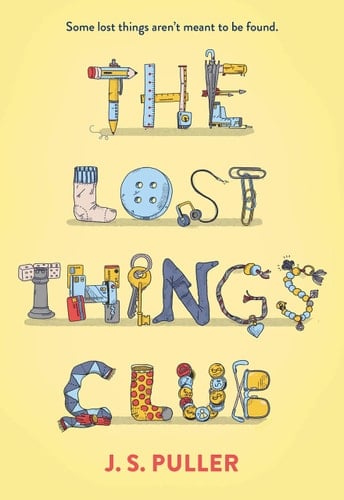
The Lost Things Club tackles the incredibly sensitive and timely topic of school shooting trauma through the eyes of twelve-year-old Leah, who visits her younger cousin in Chicago. The book focuses not on the event itself, but on the aftermath and the long, often complex, journey of healing. It handles the topic with a gentle yet honest approach, emphasizing the psychological impact on a child and the crucial role of family support.
The emotional arc is one of gradual hope and resilience. It starts with the cousin's deep-seated fear and withdrawal, slowly progressing as Leah patiently and empathetically tries to connect with him and help him process his feelings. This book is specifically for children who may have experienced trauma themselves, or who know someone who has, and need a story that normalizes these difficult emotions and models positive coping mechanisms. A parent might reach for this when their child is struggling with anxiety, fear, or grief after a scary or impactful event, or when they need to understand how to support a peer or family member.
Parents should preview the book to ensure it aligns with their child's emotional readiness. While the shooting itself is not graphically depicted, its lingering effects are central to the narrative, which could be intense for younger or highly sensitive readers. For a 4-year-old, this would be a very long and heavy read-aloud, likely more appropriate for the 8-11 age range for independent reading. What makes this book stand out is its focus on the supportive, active role of a family member in the healing process, offering a narrative of connection and shared resilience rather than solitary struggle.