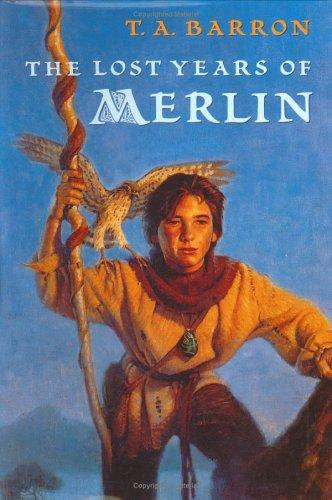
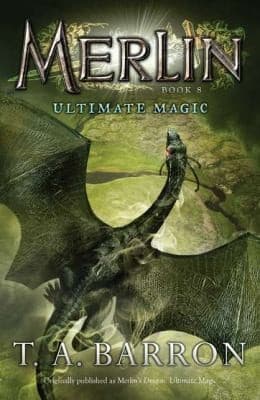
“Merlin, the Lost Years” by T. A. Barron offers a compelling origin story for the legendary wizard, reimagining his youth as a journey of self-discovery and epic adventure. The narrative begins with a mysterious boy, Emrys, washing ashore with no memory, a classic trope that immediately draws readers into his quest for identity. His early discovery of magical powers, followed by a traumatic incident that leads to temporary blindness and the development of "second sight," sets a powerful emotional arc. This initial struggle grounds Emrys's fantastical journey in a very human experience of vulnerability and adaptation.
The book then propels Emrys to the magical realm of Fincayra, where he encounters a vibrant cast of characters, including the determined Rhiannon and the loyal giant, Shim. Together, they confront the encroaching darkness of Rhita Gawr and the corrupted King Stangmar, who is revealed to be Emrys's own father. This plot twist adds significant emotional depth, complicating the clear-cut good-vs-evil dynamic and forcing Emrys to grapple with complex family loyalties and betrayals. The story handles sensitive topics like loss, betrayal, and self-sacrifice through the lens of high fantasy, making them accessible and impactful for young adult readers.
The emotional arc is one of growth and empowerment, starting with Emrys's confusion and vulnerability and culminating in his acceptance of his destiny and the name Merlin. It's a journey from lost boy to nascent hero, filled with moments of fear, bravery, and profound friendship. This book is specifically for readers aged 12-18 who are drawn to epic fantasy, Arthurian legends, and stories where a young protagonist discovers extraordinary powers and a grand purpose. A parent might reach for this when their child is looking for a new immersive fantasy series, especially if they enjoy tales of magic, quests, and character development.
Parents should be aware of moderate peril and violence, including a boar attack, encounters with goblins, and the climactic battle with Rhita Gawr, which involves character sacrifices (though one character is transformed rather than truly lost). These elements are typical for the genre and age group, but worth noting for sensitive readers. Younger readers (12-14) will likely connect with Emrys's initial struggles and the adventure, while older readers (15-18) will appreciate the deeper themes of identity, destiny, and the moral complexities of his family revelations. What sets this book apart is its unique take on Merlin's early life, blending traditional Welsh mythology with a fresh, action-packed narrative that focuses on the psychological and emotional journey of becoming a legend.