PLOT SUMMARY:
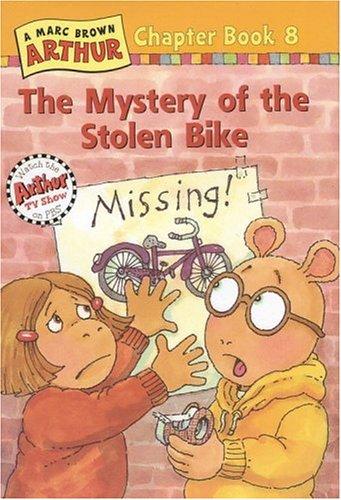
Francine receives her father's old bicycle and is deeply embarrassed by it, especially compared to her friends' newer models. To avoid riding it, she lies and claims it has been stolen. Her loyal friends, including Arthur and Buster, immediately form a detective agency to find the culprit. Their investigation, filled with classic kid-detective tropes, eventually leads them to the town dump where they discover the bike. Faced with the evidence, Francine tearfully confesses she lied out of shame. Instead of getting angry, her friends show compassion, help her fix up the bike, and make it uniquely her own.
SENSITIVE TOPICS:
The book deals with lying and shame directly and in a secular context. The approach is gentle, framing the lie not as a malicious act but as a result of powerful, relatable feelings of embarrassment. The resolution is entirely hopeful, emphasizing forgiveness, empathy, and the strength of friendship in overcoming a personal mistake. It's a very safe exploration of a common childhood misstep.
EMOTIONAL ARC:
The story starts with Francine's internal conflict and anxiety, which peaks with her decision to lie. The narrative then shifts to a lighter, gently suspenseful tone as the friends play detective. The emotional climax occurs with Francine's confession, a moment of vulnerability that is met with immediate warmth and acceptance, leading to a happy and reassuring conclusion. The overall emotional journey is from private shame to shared, supportive resolution.
IDEAL READER:
This book is ideal for a child aged 6-8 who is beginning to navigate the social complexities of peer groups and material possessions. It speaks directly to a child who has expressed embarrassment over a hand-me-down item, felt pressured to have the 'coolest' new thing, or has told a fib to avoid a difficult feeling.
PARENT TRIGGER:
The parent has just witnessed their child fibbing about losing an item they were actually just embarrassed to have. Or, the child comes home from school upset, saying something like, "My backpack is old. Everyone else has new ones and they laughed at me."
PARENT PREP:
No special preparation is needed; the book can be read cold. The themes are presented in a very accessible way for the age group. A parent might want to be ready to discuss why Francine lied and to praise how her friends reacted with understanding rather than anger.
AGE EXPERIENCE:
A 6-year-old will primarily enjoy the fun of the mystery plot and the familiar characters working together. An 8 or 9-year-old will more deeply understand the social pressures Francine feels. They can analyze the moral dimension of her lie and appreciate the maturity of her friends' compassionate response.
DIFFERENTIATOR:
While many early chapter books feature mysteries, this one uniquely uses the genre as a framework to explore a deep and relatable emotional problem: shame. The solution isn't about catching a 'bad guy' but about understanding a friend's feelings. It masterfully subordinates the plot to its emotional core, teaching a lesson in empathy.