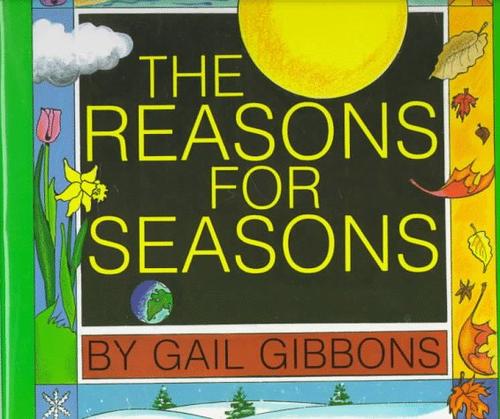
About This Book
A parent might reach for this book when their child’s simple observations about the weather turn into a stream of “why” questions. Why is it dark when I wake up for school now? Why do we have to wear coats? This book provides clear, scientific answers to a child's budding curiosity about the changing world. It explains that seasons are caused by the tilt of the Earth's axis as it travels around the sun, not by our distance from it. Gibbons uses simple language and labeled diagrams to illustrate concepts like solstices, equinoxes, and the yearly cycle. It's a fantastic, foundational science text that empowers kids with knowledge, turning their wonder into understanding. Perfect for the inquisitive 5 to 8 year old.
What Parents Should Know
Sensitive Topics
None. This is a secular, scientific explanation of a natural phenomenon.
Ideal Reader
A curious 6 or 7-year-old who is starting to notice patterns in the world and is full of "why" questions about nature. This child enjoys facts and diagrams and wants to understand how things work. They might have just experienced a distinct seasonal change and are trying to make sense of it.
Parent Prep
The book can be read cold, but the concepts are abstract. Parents might want to have a globe or even just an orange and a flashlight handy to physically demonstrate the Earth's tilt and orbit after reading. Spending extra time on the central diagram showing the Earth's full revolution around the sun will be beneficial. The child asks a question the parent cannot easily answer, such as "Why is it cold in winter if the sun is hot?" or "Why are the days shorter now?" The parent is seeking an accurate, age-appropriate resource to explain a core science concept.
Reviews
No reviews yet — be the first!
Your experience helps other parents find the right book.
Sign in to write a review


