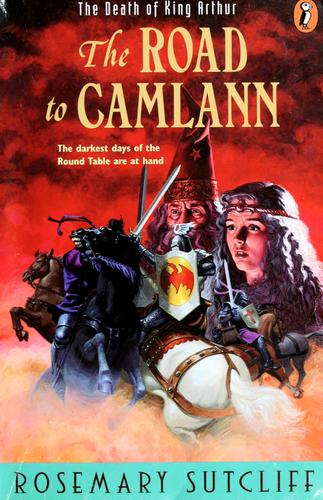
The Road to Camlann: The Death of King Arthur by Rosemary Sutcliff offers a powerful and poignant conclusion to her Arthurian trilogy, focusing on the tragic unraveling of Camelot. The narrative centers on the insidious plotting of Mordred, King Arthur's illegitimate son, who uses the forbidden love between Queen Guenevere and Sir Lancelot as a wedge to destabilize the kingdom and seize power. The story builds to the inevitable, devastating confrontation on the plain of Camlann, where Arthur and his loyal knights make their final stand.
Sutcliff handles the sensitive topics of betrayal, illicit love, and death with a gravitas appropriate for the legend, yet accessible for young readers. The emotional arc is decidedly tragic, beginning with the seeds of discord and culminating in profound loss, but it is imbued with a sense of heroic struggle and the enduring legacy of Arthur. The book does not shy away from the sorrow of a golden age ending, presenting it as a natural, albeit heartbreaking, consequence of human flaws and ambition.
This book is specifically for children who are ready for more complex narratives and themes, particularly those interested in legends, knights, and historical tales. It's ideal for a child aged 8-11 reading independently, or as a read-aloud for a mature 6-7 year old. Parents should be prepared to discuss themes of betrayal, the consequences of choices, and the concept of a tragic hero. The death of King Arthur and many knights is central, so it's important to preview these scenes and discuss the nature of conflict and loss.
What sets Sutcliff's retelling apart is her lyrical prose and ability to make ancient legends feel immediate and deeply emotional. Unlike some sanitized versions, she retains the poignant, often somber, tone of the original Malory, making it a more authentic and impactful introduction to the Arthurian cycle. It's a story that encourages reflection on loyalty, justice, and the bittersweet nature of heroism.