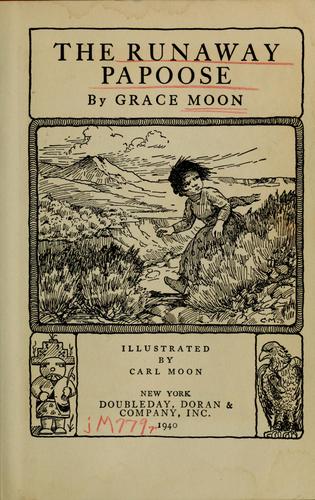
Runaway Papoose, a 1929 Newbery Honor Book, tells the compelling story of Nah-tee, a four-year-old Pueblo girl. Her world is upended when an outlaw attack separates her from her family. The narrative follows her brave journey through the Southwestern landscape, where she encounters Moyo, a kind Navajo shepherd boy. Together, they navigate the wilderness, driven by Nah-tee's determination to find her loved ones, culminating in a heartwarming reunion at a regional powwow. The book handles the sensitive topic of separation from parents by focusing on Nah-tee's resilience and the kindness of strangers, rather than dwelling on the initial peril. The emotional arc begins with fear and loss, transitions into a hopeful adventure, and concludes with a triumphant and comforting reunion. This book is specifically for children aged 8-12 who enjoy adventure stories with a strong emotional core, particularly those interested in historical perspectives and Native American cultures. A parent might reach for this book if their child is exploring themes of bravery, friendship, and perseverance, or if they are looking for a classic children's novel with cultural representation. Parents might want to briefly discuss the book's historical context (published in 1928) and how it portrays Native American cultures, as some language or depictions may reflect the era. Younger readers (8-9) will connect with Nah-tee's journey and Moyo's friendship, while older readers (10-12) can appreciate the deeper themes of resilience and the historical significance of the story. Its status as a Newbery Honor book from nearly a century ago offers a unique window into children's literature and cultural representation of that period, distinguishing it from more contemporary adventure tales.