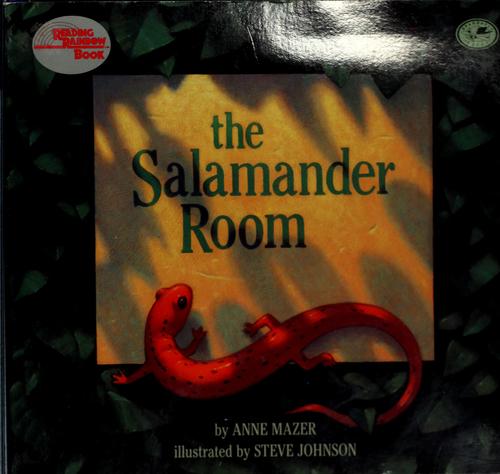
A parent might reach for this book when their child first expresses a deep desire for a pet, especially a wild one found in the backyard. This gentle story follows a young boy, Brian, who finds a salamander and imagines all the ways he could transform his bedroom into a perfect, natural habitat to meet its needs. Through a calm, question-and-answer exchange with his mother, Brian's imagination soars, revealing the immense responsibility required to care for a living creature. It beautifully models curiosity, empathy, and creative problem-solving, making it an ideal conversation starter for children aged 4 to 8 about what it truly means to care for an animal.
This book is free of sensitive topics. It is a gentle, imaginative exploration of animal care. The concept of taking a wild animal from its home is handled metaphorically through the fantastical transformation of the boy's room, rather than addressing the real-world implications directly.
This book is perfect for a creative, nature-loving child aged 4 to 7 who is dreaming of their first pet. It resonates with children who enjoy imaginative play and "what if" scenarios, and who are deeply curious about the natural world and how animals live. It's a great fit for a gentle soul who connects emotionally with animals.
Your experience helps other parents find the right book.
Sign in to write a reviewNo preparation is necessary, the book can be read cold. It's helpful for parents to note the mother's gentle, guiding questions. Her approach is a model for Socratic parenting. A parent might want to be ready to discuss the difference between Brian's imaginary world and the real-life needs of wild animals after the story ends. The child has just found a creature in the yard (a frog, a beetle, a worm) and declared, "I'm going to keep it!" or has begun a persistent campaign for a new pet. The parent is looking for a way to discuss the responsibility involved without immediately saying "no."
A younger child (4-5) will be captivated by the lush illustrations and the magical idea of a bedroom turning into a forest. They will focus on the fantasy. An older child (6-8) will better understand the underlying message about an animal's needs: food, shelter, community, and a proper environment. They may start to grasp the concept of an ecosystem.
Unlike most books about getting a pet, which focus on chores related to domestic animals, this book uses imagination to explore the deeper concept of habitat and ecosystem. It's not about a list of tasks, but about profound empathy for a wild creature's needs. The call-and-response narrative between mother and child is a unique and gentle framework for this exploration.
A young boy named Brian finds an orange salamander and decides to keep it in his room. His mother poses a series of practical questions: Where will he sleep? Where will he play? What will he eat? For each question, Brian provides an increasingly imaginative answer, describing how he will transform his bedroom into a complete, thriving ecosystem with trees, ponds, insects, and even other salamanders for company. The book concludes with Brian and his salamander content in their shared, imaginary habitat.
This overview was generated by AI based on the book's content and reviews, and may not capture every nuance.
