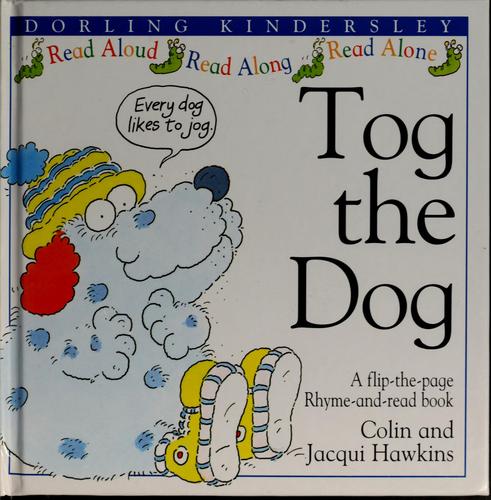
About This Book
A parent might reach for this book when their child points to the night sky and asks, "What's up there?" It's a perfect first step for young, curious minds just beginning to wonder about the universe beyond our planet. This book provides a clear, simple tour of our solar system, introducing the sun, the planets, moons, and asteroids with easy-to-understand text and engaging visuals. Its primary goal is to spark wonder and build a foundational vocabulary for space exploration. For early elementary readers, it is an accessible and encouraging entry point into non-fiction science reading, satisfying their curiosity without overwhelming them with detail.
What Parents Should Know
Sensitive Topics
None. The book is a straightforward scientific text with no sensitive or emotional content.
Ideal Reader
A 6- or 7-year-old who has just started asking questions about planets after a museum visit or seeing a rocket launch on television. This child is ready for facts but needs them presented simply and visually. They are not yet a sophisticated reader of dense non-fiction and would benefit from a quick, confidence-building overview.
Parent Prep
The most important preparation involves the book's publication date of 2000. Parents should be ready to discuss Pluto's reclassification as a dwarf planet in 2006, as the book almost certainly presents it as the ninth planet. This can be a great conversation starter about how scientific understanding evolves. Otherwise, the book can be read cold. The child keeps asking "What is Jupiter?" or "How many planets are there?" or "Is Mars hot?" The parent needs a reliable, simple, first-look book to answer these initial questions factually and encourage this new interest.


Reviews
No reviews yet — be the first!
Your experience helps other parents find the right book.
Sign in to write a review