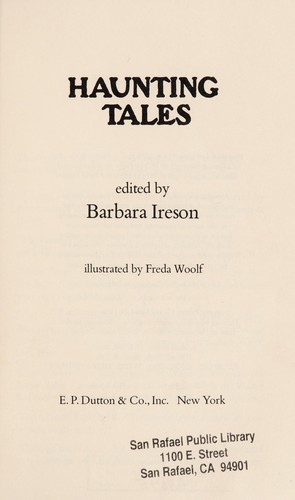
A parent might reach for this book when their child is feeling underestimated and needs a story that champions quiet courage and kindness as true superpowers. This classic fantasy tale follows three brothers on an epic quest to find a unicorn's horn to cure their ailing father. The two older, arrogant brothers fail, but the youngest son, Hans, succeeds through his gentle nature and empathy for others. The story beautifully explores themes of bravery, hope, and perseverance, making it a perfect choice for readers aged 8 to 12. It’s a wonderful, heartfelt adventure that models resilience and proves that you don’t have to be the loudest or strongest to be the hero.
Your experience helps other parents find the right book.
Sign in to write a reviewThe central conflict stems from the potential death of a parent (the King's illness). This is handled in a classic, metaphorical fairy tale manner, where the focus is on the magical quest for a cure rather than the realities of sickness or grief. The resolution is completely hopeful. The book presents a very clear, secular good versus evil dichotomy.
This book is perfect for an imaginative, sensitive child aged 8 to 10 who loves traditional fairy tales and animal stories. It is particularly well suited for a child who may feel overshadowed by more boisterous siblings or peers, and who needs a story that validates empathy and quiet determination as powerful strengths.
No preparation is needed. This book can be read cold, as it relies on familiar fairy tale tropes. A parent could preview the brief encounter with the dragon if their child is particularly sensitive to scary scenes, but it is not graphic and is resolved through cleverness, not violence. A parent hears their child say, "I'm not as strong as my brother," or sees their child discouraged because they believe only physical strength or cleverness is valued. The child feels their gentle nature is a weakness rather than a strength.
A younger reader (8-9) will be captivated by the magical adventure: the quest, the talking animals, and the unicorn itself. An older reader (10-12) will better appreciate the subtext: the moral that kindness is more powerful than force, the critique of the brothers' arrogance, and the quiet inner strength of the protagonist.
In a landscape of complex, morally gray fantasy, this book's strength is its earnest simplicity. It is an unapologetically classic fairy tale. Its key differentiator is its championing of a gentle, empathetic male protagonist who succeeds precisely because of his compassion, a refreshing alternative to the typical brawny or cunning hero.
In a classic fairy tale kingdom, a king is dying. The only cure is the horn of a unicorn. His three sons, the princes, set out to find it. The two elder princes, who are arrogant and cruel, use force and trickery but fail in their quest. The youngest son, Hans, who is often overlooked but possesses a kind and compassionate heart, embarks on the journey. Along the way, his kindness to an old woman and various animals earns him crucial help and guidance. He must outwit a wicked sorcerer and face a dragon, ultimately finding the unicorn not through capture, but through mutual respect and empathy. He returns with the cure and saves his father.
This overview was generated by AI based on the book's content and reviews, and may not capture every nuance.