About This Book
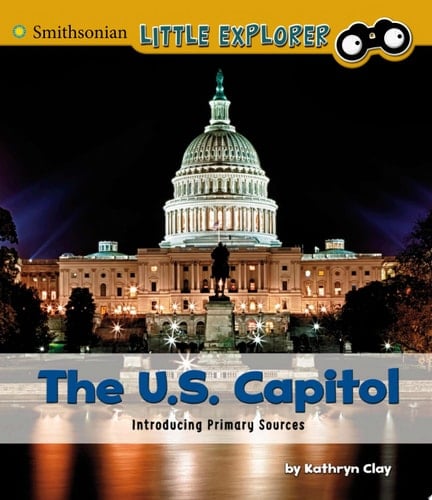
This informative chapter book introduces young readers to the U.S. Capitol, explaining its role as a symbol of our nation's government and laws. Through the innovative use of primary sources, such as historical documents and photographs, children gain a direct connection to the people and events that shaped this iconic building. The book is designed to engage children aged 4-11 with accessible text, vibrant photos, and sidebars, making complex historical and civic concepts understandable and interesting. It's an excellent resource for fostering an early understanding of American history and government.
The U.S. Capitol represents our nation's government and its laws. Using primary sources, young readers hear the story behind this American symbol from the people who helped make it what it is today. Engaging text, colorful photos, sidebars, and a variety of primary sources introduce young readers to the U.S. Capitol.
Wonderlit Review
This book introduces the U.S. Capitol, its history, and its function as the seat of the legislative branch. It uniquely uses primary sources, such as architectural plans, historical photographs, and quotes from people involved in its construction and history, to tell its story. It handles the topic of government and history in a straightforward, factual, and accessible manner. The use of primary sources is a key pedagogical approach, teaching children how historians gather information directly from the past. There are no sensitive topics beyond the general historical context. The book maintains an informative and inspiring tone throughout, aiming to instill a sense of wonder and appreciation for American history and civic institutions, rather than following a traditional emotional narrative arc. It's consistently educational and engaging. This book is ideal for children in early to late elementary school (ages 4-11) who are beginning to learn about American history, government, or national symbols. It's particularly well-suited for curious learners interested in how things work and how we know about the past. A parent might reach for this book when their child asks about government, visits Washington D.C., is learning about American history in school, or shows an interest in historical buildings and national landmarks. It's also great for supplementing civics lessons. Parents should be prepared to discuss the concept of primary sources and their importance. They might also want to expand on the different branches of government or the specific roles of people mentioned in the book. No difficult scenes to preview. Younger children (4-7) will enjoy the colorful photos and the general idea of an important building, benefiting from a read-aloud and discussion. Older children (8-11) can engage more deeply with the text, understand the concept of primary sources, and grasp the historical and civic significance independently. Its unique selling point is the explicit focus on "introducing primary sources." While many books cover the Capitol, this one actively teaches a historical research skill by presenting actual historical documents and artifacts as part of the narrative, rather than just telling the story.
If Your Family Enjoyed This
Reviews
No reviews yet. Be the first to share how this book landed with your family.