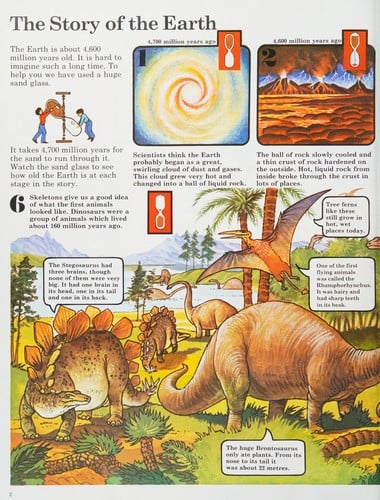
About This Book
Introduces basic concepts of geography regarding weather, climate, rocks, volcanoes, caves, earthquakes, mountains, and rivers.
Wonderlit Review
This Usborne title, published in 1976, serves as a foundational introduction to Earth sciences for a broad elementary age range. Across its 32 pages, it directly and factually explains basic geographical concepts, including the formation of weather, climate patterns, different types of rocks, the mechanics of volcanoes, the creation of caves, the impact of earthquakes, and the characteristics of mountains and rivers. The book's emotional arc is primarily one of inspiring wonder and curiosity, encouraging young readers to understand the complex processes that shape our world. It handles its topics with clear, concise language, typical of Usborne's educational approach, making complex ideas digestible for children. This book is ideal for a child who is beginning to ask questions about the natural world around them, whether they are fascinated by dramatic events like volcanic eruptions or simply curious about how a river flows. A parent would reach for this book when their child expresses an interest in geology, weather, or general science, or when they need a straightforward resource for a school project. Parents should preview the book to ensure the vocabulary and concepts align with their child's current understanding, though the content is generally accessible. Younger children (4-6) will enjoy the illustrations and the read-aloud experience, grasping basic concepts, while older children (7-11) can read independently and delve deeper into the factual explanations. What sets it apart is the classic Usborne style, which combines detailed illustrations with clear, informative text, making it a reliable and engaging resource for early science education.
If Your Family Enjoyed This
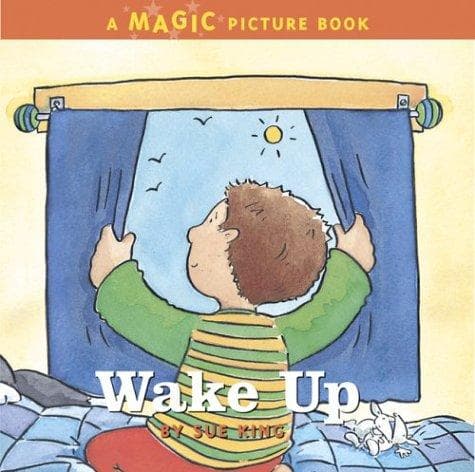


Reviews
No reviews yet. Be the first to share how this book landed with your family.