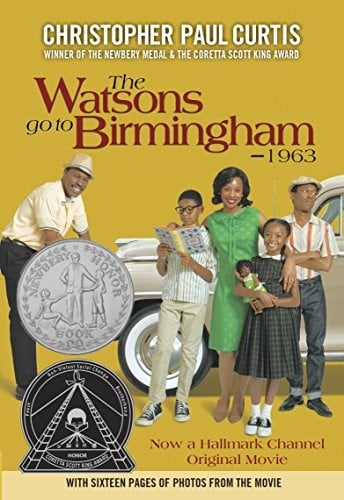
This book is a cornerstone of middle-grade historical fiction, offering an accessible yet profound exploration of the Civil Rights Movement through the eyes of the fictional Watson family. The story begins in Flint, Michigan, introducing readers to the lively, often humorous, dynamics of the Watsons, particularly the antics of older brother Byron and the thoughtful narration of ten-year-old Kenny. This initial section builds a strong sense of family and normalcy, allowing readers to connect deeply with the characters before the family embarks on a pivotal road trip to Birmingham, Alabama.
The narrative masterfully handles sensitive topics, gradually introducing the realities of racial injustice and segregation in the Deep South. The climax, the 16th Street Baptist Church bombing, is depicted with a child's innocent, almost dreamlike, confusion, which allows young readers to grasp the horror without being overwhelmed by graphic detail. Kenny's subsequent trauma and withdrawal are portrayed with authenticity, and Byron's unexpected maturity in helping his brother process the events provides a powerful emotional arc, moving from initial lightheartedness to profound grief and ultimately, a message of resilience and hope.
This book is specifically for children aged 8-12 who are ready to learn about a significant, yet challenging, period in American history. It's ideal for a parent who wants to introduce the Civil Rights Movement in a way that emphasizes human connection and emotional impact, rather than just historical facts. A parent might reach for this when their child is beginning to ask questions about racism, injustice, or historical events, or when they are looking for a powerful family story.
Parents should be prepared to discuss the bombing and its aftermath, as Kenny's experience is central to the latter half of the book. While not graphic, the emotional weight is significant. Younger readers (8-9) might need more guidance and discussion to process the tragic events, while older readers (10-12) will likely engage more deeply with Kenny's internal struggles and the historical context. What makes this book different is its brilliant use of humor in the first half to build connection and humanize the characters, making the eventual confrontation with injustice all the more impactful. It's not just a history lesson; it's a story about a family's love and resilience in the face of unimaginable hatred.