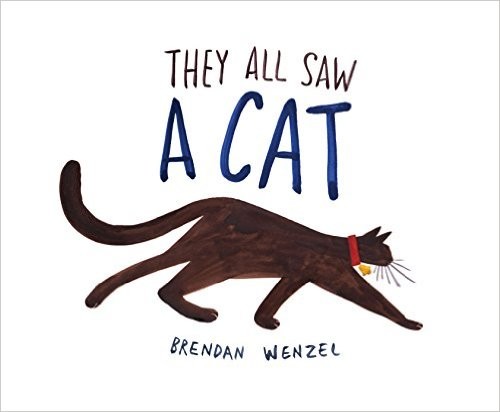
A parent might reach for this book when their child is having trouble understanding a friend's point of view or is starting to ask bigger questions about how others experience the world. They All Saw a Cat follows a single cat on a walk, but through the eyes of each creature it meets, the cat looks completely different. To a child, it's a pet; to a mouse, it's a terrifying monster; to a bee, it's a field of colorful dots. This visually stunning book gently introduces the powerful idea that perspective shapes reality. It's a perfect, gentle way to spark conversations with children ages 3 to 8 about empathy, observation, and the amazing fact that we all see the world in our own unique way.
The book touches on the predator and prey dynamic in a metaphorical, non-violent way. The mouse sees the cat as a monstrous, terrifying creature, and the fox sees it as a potential meal. This is handled visually and is not graphic. The approach is entirely secular and observational, focusing on the science and emotion of perception. The resolution is one of wonder and self-awareness.
Your experience helps other parents find the right book.
Sign in to write a reviewThis book is ideal for a curious, observant child aged 4 to 7 who is beginning to understand social dynamics. It's perfect for a child who just had a disagreement with a friend and is struggling with the idea that two people can experience the same event differently. It would also resonate with a young artist or budding scientist fascinated by how things work and look.
No specific preparation is needed; the book can be read cold. However, parents can be ready to pause and ask questions. For example, they can discuss why the fish sees a blurry, warped cat (water) or why the snake sees a heat signature. This can enrich the experience by connecting the art to simple scientific concepts. A parent might seek this book after hearing their child say, "But that's not how it happened!" or "Why can't she see it my way?" It directly addresses the developmental milestone of decentering: moving from an egocentric worldview to understanding others' perspectives.
A 3-year-old will enjoy the repetitive text, the variety of animals, and the bold, changing illustrations of the cat. They will grasp the simple concept that the cat looks different to each animal. A 7-year-old will understand the deeper theme of perspective. They can analyze *why* each animal sees the cat the way it does, leading to conversations about empathy, biology (compound eyes), and even art styles. The older child can internalize the message about subjectivity and personal experience.
While many books teach empathy, this book's unique strength is its visual execution. It doesn't just tell children that everyone has a different viewpoint; it masterfully shows it through varied and evocative art. The minimalistic text allows the illustrations to carry the conceptual weight, making a profound idea accessible and beautiful. It uniquely blends art, social-emotional learning, and science in one seamless package.
A cat walks through the world. The book's narrative and illustrations shift to show how the cat is perceived by the various animals and people it encounters: a child, a dog, a fox, a fish, a mouse, a bee, a bird, a flea, a snake, a skunk, and a worm. Each double page spread presents a radically different artistic interpretation of the cat based on the viewer's perspective, size, and relationship to the cat (e.g., predator, prey, companion). The book culminates with an abstract, composite image of the cat, suggesting it is the sum of all these perceptions, before it sees its own reflection in the water.
This overview was generated by AI based on the book's content and reviews, and may not capture every nuance.