PLOT SUMMARY:
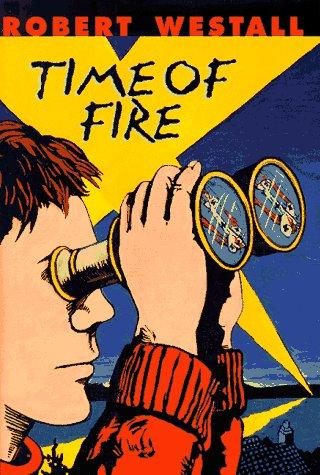
In WWII-era England, a young boy named Sonny's life is shattered when his mother is killed during a German air raid. His father is deployed in the army, and their only connection is through letters. As Sonny navigates his new life, his initial grief transforms into a seething anger and a desire for retribution against the enemy. The story follows Sonny's internal struggle to understand the morality of war, vengeance, and the distinction between a soldier and a person.
SENSITIVE TOPICS:
The book deals directly and unflinchingly with the death of a parent. The approach is secular, focusing on the raw psychological aftermath: shock, grief, anger, and the desire for revenge. The resolution is realistic rather than neatly hopeful. Sonny doesn't find simple peace, but rather a more mature, somber understanding of the world's complexity. The book suggests that some wounds don't fully heal but can be integrated into a new understanding of life.
EMOTIONAL ARC:
The book begins with intense trauma and maintains a heavy, somber tone throughout. The emotional journey is not one of healing in a traditional sense, but of transformation. It charts Sonny's descent from innocent grief into a darker psychological space dominated by anger and vengeance, before he slowly moves toward a more nuanced, weary acceptance of the war's moral gray areas. It is emotionally demanding from start to finish.
IDEAL READER:
A mature, introspective reader aged 11-14 who is interested in history and ready to tackle complex moral questions. This is for a child who is past simple good vs. evil narratives and is asking difficult 'why' questions about suffering, injustice, and the human cost of conflict.
PARENT TRIGGER:
A parent has noticed their child expressing intense anger or a desire for retaliation in response to a personal loss or a tragedy seen in the news. The child might be asking, "Why did this have to happen?" and "Shouldn't someone pay for this?"
PARENT PREP:
Parents should preview the first few chapters which describe the bombing and the discovery of the mother's death. This scene is direct and could be very upsetting. The book requires historical context about World War II (specifically the Blitz) and a readiness to discuss themes of vengeance and the dehumanization of enemies. It is not a book to hand to a child without preparation.
AGE EXPERIENCE:
A younger reader (10-11) will likely connect most strongly with Sonny's personal story of loss and loneliness. An older reader (12-14) will better grasp the philosophical questions raised by his father's letters and Sonny's internal struggle with the concept of retribution. The older reader will see it not just as a story of grief, but as a meditation on the nature of war.
DIFFERENTIATOR:
While many WWII books for this age focus on action, escape, or heroism, "Time of Fire" is a quiet, internal, and psychological novel. Its unique power lies in its brutally honest depiction of a child's journey through the darkest stages of grief, particularly the transformation of sorrow into rage and a desire for vengeance. It validates these difficult feelings rather than sanitizing them.