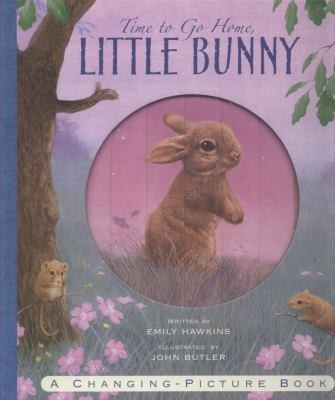
A parent should reach for this book when their young child struggles with transitions, especially leaving a fun place like a park or a friend's house. "Time to Go Home, Little Bunny" follows a small rabbit who is having a wonderful day playing in the woods. When his mother gently calls for him, he must say goodbye to his friends and make his way back to his cozy burrow. The story normalizes the feeling of not wanting fun to end while reframing the journey home as a warm, comforting, and loving experience. Its soft illustrations and gentle tone make it perfect for toddlers and preschoolers (ages 2 to 5), providing a positive model for a common developmental challenge and opening up conversations about daily routines.
The book does not contain any sensitive topics. The central conflict is the very mild, developmentally appropriate challenge of ending a fun activity. The approach is secular, gentle, and universally relatable.
The ideal reader is a 2 to 4-year-old who consistently protests, cries, or has a tantrum when it is time to leave a desirable location (playground, daycare, a playdate). This child needs a gentle story to help them process the transition and see the act of going home as a positive, loving experience rather than a punishment or the end of all fun.
Your experience helps other parents find the right book.
Sign in to write a reviewNo special preparation is needed. The book's message is clear, simple, and can be read cold. A parent might want to preview it to adopt the calm, patient tone of Mama Bunny in their own interactions surrounding transitions. The parent has just wrestled their toddler away from the park swings or managed a tearful exit from a birthday party. They are exhausted by the daily power struggle over transitions and are seeking a tool to proactively and gently introduce the concept of leaving and returning home.
A 2-year-old will connect with the animal characters, the repetitive structure of saying 'goodbye', and the comforting resolution. A 4 or 5-year-old can better articulate the connection between the bunny's feelings and their own, understanding the idea that it is okay to be a little sad playtime is over while also looking forward to the comforts of home.
While many books deal with separation anxiety (like at the start of school), this book's specific focus on the end-of-play transition is what makes it unique. Unlike books that tackle the problem head-on with a problem/solution plot, this one works through modeling. It doesn't pathologize the child's feeling of not wanting to leave. Instead, it gently reframes 'going home' as its own positive and loving event, making it a uniquely proactive and gentle tool for parents.
Little Bunny spends a joyful day playing with various animal friends in the forest. As the sun begins to set, his mother's gentle call signals that it is time to return home. The narrative follows Little Bunny as he says a series of goodbyes to his friends and travels back to his warm, safe burrow, where his loving mother is waiting. The story frames the end of playtime not as a loss, but as a peaceful and comforting transition to the next part of the day.
This overview was generated by AI based on the book's content and reviews, and may not capture every nuance.
