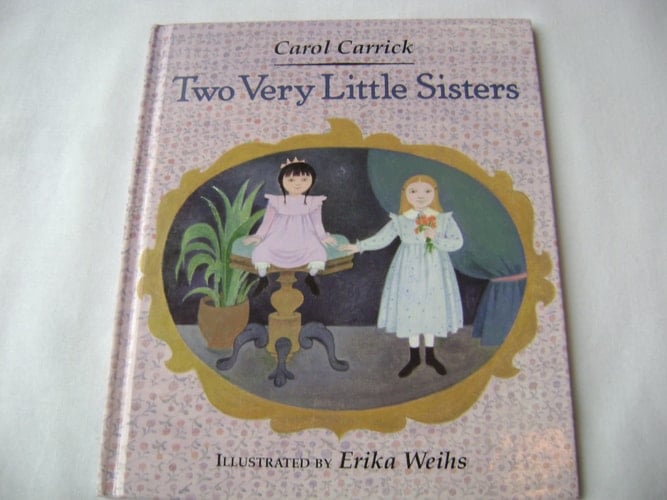
About This Book
Describes the lives of the two midget sisters who were circus stars for twenty years and who preferred to be called "little people."
Wonderlit Review
"Two Very Little Sisters" by Carol Carrick offers a concise yet poignant biographical account of two sisters with dwarfism who achieved fame as circus performers in the early 20th century United States. The book focuses on their lives, their twenty-year career, and their preference for being called "little people" rather than "midgets," a term used in some historical contexts but now widely considered offensive. This distinction is crucial and handled with care within the narrative, providing an opportunity for parents to discuss respectful language. The emotional arc of the book is largely uplifting and contemplative. It celebrates the sisters' independence, resilience, and ability to carve out successful lives despite societal differences. It doesn't dwell on hardship but rather on their agency and unique experiences. This book is specifically for children who are beginning to understand differences in people, or for those who might feel different themselves. It's also excellent for children interested in history, the circus, or inspiring true stories. A parent might reach for this book when their child asks questions about people who look different, or when they want to introduce concepts of diversity, empathy, and historical context. Parents should be prepared to discuss the historical use of terms like "midget" and reinforce the importance of using respectful, person-first language like "little people" or "people with dwarfism." For younger readers (4-6), it serves as a gentle introduction to biography and differences, best read aloud with discussion. Older elementary children (7-11) can read it independently and engage more deeply with the themes of identity, perseverance, and historical context. What sets this book apart is its direct, yet sensitive, portrayal of individuals with dwarfism in a historical setting, emphasizing their agency and preferred identity, making it a valuable tool for fostering understanding and respect.
If Your Family Enjoyed This
Reviews
No reviews yet. Be the first to share how this book landed with your family.