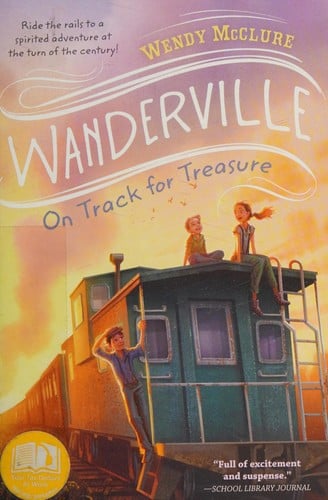
The book centers on a group of orphans, including siblings Jack, Frances, and Harold, who have established a hidden community called Wanderville in the wilderness. Their self-sufficient life is disrupted when the local sheriff locates their secret haven, forcing them to abandon their home and embark on a journey to find safety and a new place to belong. The narrative follows their flight, their resourcefulness in the wild, and the strengthening of their bonds as they face external threats and internal group dynamics. The book handles themes of homelessness and being an orphan directly, but with a focus on resilience and agency rather than despair. The peril is present as they are pursued, but it's framed as an adventure and a test of their capabilities, not overly frightening. The separation from parents is a foundational element, but the story emphasizes the strength of their chosen family. The story begins with a sense of established, albeit precarious, comfort, quickly shifting to suspense and urgency as the children flee. The emotional arc is one of growing bravery, deepening friendships, and a persistent hope for a safe, permanent home. It's largely uplifting, despite the challenges. This book is ideal for children aged 7-10 who enjoy adventure stories, tales of survival, and narratives about strong friendships and found families. It would resonate with children who feel a sense of independence or who are navigating new social groups. A parent might choose this book for a child who loves stories like "The Boxcar Children," for a child who is interested in themes of resilience and self-reliance, or for a child who is exploring the concept of different kinds of families. It's also a great choice for pure entertainment for an adventurous reader. Parents should be aware that the core premise involves children living without adult supervision and facing dangers. While not graphic, the themes of being pursued and needing to survive in the wild are central. It could be a good conversation starter about safety, resourcefulness, and the importance of community. Younger readers (4-6, read-aloud) will enjoy the adventure and the idea of children creating their own world, focusing on the excitement of the chase and the bonds of friendship. Older readers (7-11, independent) will appreciate the nuances of character development, the challenges of survival, and the deeper themes of belonging and independence. While there are many "orphan" stories, "On Track for Treasure" distinguishes itself by immediately placing the children in an active, self-reliant role, rather than focusing on their initial placement or search for a traditional home. The emphasis is on their collective agency and ingenuity in maintaining their freedom.