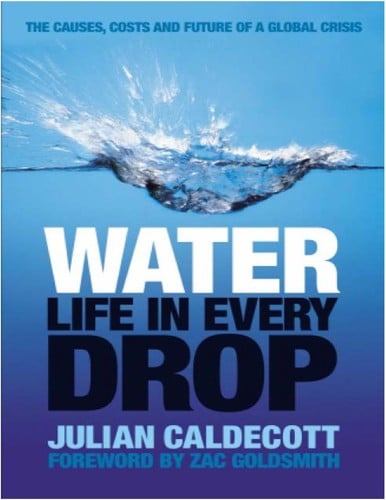
This book systematically unpacks the multifaceted global water crisis. It traces the historical relationship between humanity and water, explains the scientific principles of water cycles and scarcity, examines the economic implications of water distribution and privatization, and explores the political complexities of water rights and international agreements. The overarching goal is to illuminate the urgency of the 'looming water crisis.' It handles the sensitive topic of environmental degradation and resource scarcity directly and factually, presenting data and analysis rather than emotional appeals. The approach is secular and grounded in scientific and social science principles. The book starts with a serious, informative tone, building a sense of urgency about the crisis. It aims to empower readers with knowledge, fostering a sense of responsibility and a call to action, rather than despair. This book is for intellectually curious late elementary to middle school readers (ages 10-14) who are interested in science, history, current events, and environmental issues. It's particularly suited for students working on research projects related to climate change, sustainability, or global resources. A parent would reach for this when their child expresses concern about environmental issues, asks complex questions about global resources, or needs a comprehensive, accessible resource for a school project on water or climate change. It's also a good choice for families who want to engage in discussions about sustainability. Parents should be prepared to discuss complex topics like resource scarcity, economic inequality, and political conflicts related to water. While the book is informative, it deals with a serious global challenge, so parents might want to frame discussions around solutions and individual actions to avoid overwhelming younger readers. Younger readers (10-11) might find some of the economic and political sections challenging but will grasp the core scientific and historical concepts. Older readers (12-14) will be able to engage more deeply with the interconnectedness of the issues and appreciate the comprehensive nature of the analysis. Unlike many children's books that focus solely on water conservation tips, this book provides a much broader, interdisciplinary perspective, integrating history, science, economics, and politics. It offers a holistic understanding of the crisis, making it a robust resource for deeper learning.