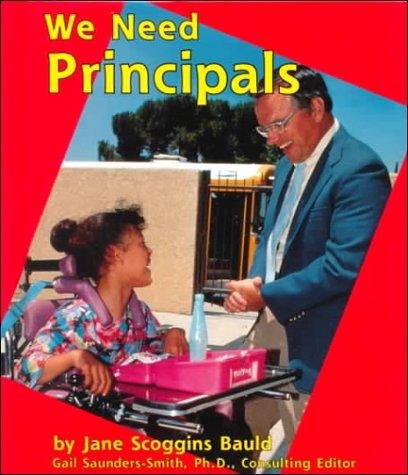
About This Book
A parent might reach for this book when their child expresses anxiety or curiosity about the principal before starting school or transferring to a new one. This simple non-fiction book uses clear text and photographs to explain what a principal does, from helping students and talking with parents to making sure the school is a safe place to learn. It helps reframe the principal from a distant authority figure into a caring and essential helper, fostering empathy and reducing fear. It is perfectly suited for preschoolers and early elementary students as a tool to open a conversation and make the school environment feel more familiar and welcoming.
What Parents Should Know
Sensitive Topics
None. The book maintains a consistently positive and reassuring tone. It focuses entirely on the supportive and administrative aspects of the principal's job and avoids any mention of discipline, conflict, or other potentially stressful situations. The approach is secular and universally applicable to most school settings.
Ideal Reader
A 4 or 5-year-old preparing to start kindergarten who is nervous about the new authority figures they will meet. It is also excellent for a 6-year-old who has only heard negative framing of "being sent to the principal's office" and needs their perspective shifted to see the principal as a helper.
Parent Prep
No preparation is needed; this book can be read cold. The content is direct and universally positive. Parents might note that the photographs are from the late 1990s, which could offer a fun opportunity to talk about how things like computers and clothing have changed, but the core message is timeless. A parent overhears their child ask, "Is the principal scary?" or "What does a principal do?" The child may be exhibiting general anxiety about starting school or has heard older children talk about the principal in a disciplinary context.


Reviews
No reviews yet — be the first!
Your experience helps other parents find the right book.
Sign in to write a review


