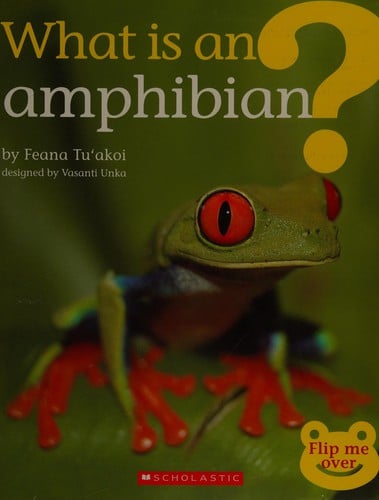
About This Book
Describes the nature of amphibians and reptiles.
Wonderlit Review
This book serves as an excellent introductory guide to the world of amphibians and reptiles for young readers. It clearly outlines the distinguishing characteristics of each animal group, covering aspects like skin, habitat, reproduction, and diet. The "upside-down book" format, as indicated by Open Library, suggests a clever structural approach that might present amphibians from one direction and reptiles from the other, meeting in the middle for a comparative summary. This direct, factual approach makes it ideal for children who are naturally curious about animals and how they are classified. It handles the scientific topics in a straightforward, accessible manner, avoiding overly complex jargon while still introducing accurate terminology. The emotional arc is one of gentle discovery and wonder at the natural world. This book is specifically for children aged 4-11 who are beginning to ask "why" and "how" about the creatures around them, or for those with a budding interest in biology. A parent might reach for this when their child encounters a frog or a lizard and asks for more information, or as a supplement to early science lessons. Parents should preview the book to understand its structure, especially if the "upside-down" format is indeed present, to guide their child through it effectively. Younger children (4-7) will enjoy the pictures and basic facts read aloud, while older children (8-11) can read independently and grasp the comparative concepts more deeply. Its clear, comparative structure sets it apart from general animal encyclopedias, offering a focused learning experience.
If Your Family Enjoyed This
Reviews
No reviews yet. Be the first to share how this book landed with your family.