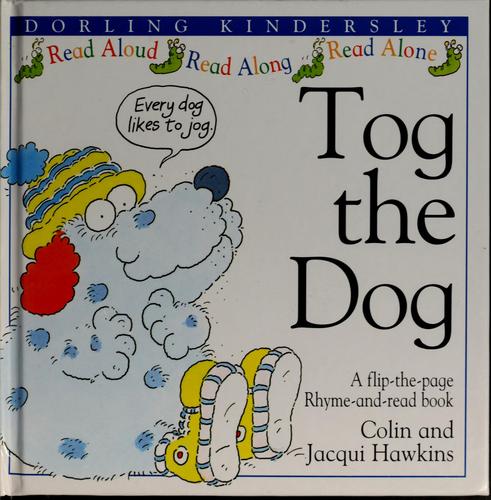
When would a parent reach for this book? When your child comes home confused and hurt by classmates, struggling with tricky friendships, or dealing with a bully. This classic guide helps children understand the 'why' behind difficult behaviors, exploring the feelings that might cause a peer to act like a 'brat,' a 'show-off,' or a bully. It validates a child's frustration while building empathy and offering practical coping strategies. For ages 8-12, this book empowers kids to navigate social challenges with confidence and kindness.
Your experience helps other parents find the right book.
Sign in to write a reviewThe book directly addresses the emotional pain of bullying, social exclusion, and friendship conflicts. The approach is secular and rooted in child psychology. It touches on the idea that difficult children may come from unhappy or high-pressure homes, but does so gently. The overall tone is hopeful, focusing on empowering the reader with understanding and actionable strategies for their own behavior and well-being.

This is for a sensitive, thoughtful child aged 9-12 who is feeling overwhelmed by social dynamics at school. They may be the target of a bully, stuck in a controlling friendship, or simply confused by the seemingly random cruelty of peers. They are looking for an explanation, not just a command to 'ignore it.'
Published in 1990, some of the social scenarios might feel slightly dated. A parent should be prepared to discuss how the core lessons about empathy and self-respect apply to modern challenges like cyberbullying or group chats, which are not covered in the text. The book can be read cold, but a follow-up conversation is highly beneficial. A parent has just heard their child say, "Why is everyone so mean?" or "I don't know how to deal with Michael, he's always telling me what to do." The child may seem anxious about going to school or be withdrawing from friends.
A younger reader (8-9) will likely focus on the concrete labels ('the bully') and the direct advice for specific problems. An older reader (10-12) will better appreciate the psychological nuance, understanding the connection between a peer's home life and their behavior, and can apply the concepts to more complex group dynamics.
While many contemporary books on this topic focus on bystander intervention or school-wide policies, this book's unique strength is its deep dive into building empathy for the antagonist. It encourages the reader to understand the aggressor's potential pain, not to excuse their behavior, but to disarm the hurt and build the reader's own emotional intelligence. This psychological focus is timeless and incredibly empowering.
This non-fiction guide helps middle-grade readers understand and cope with difficult peer relationships. Instead of a narrative plot, the book is structured into chapters that analyze different types of frustrating behaviors in other kids, such as bullying, bossiness, and showing off. Author Eda LeShan uses relatable anecdotes to explain the potential underlying reasons for these behaviors, like insecurity or problems at home. The book then offers compassionate, practical advice on how to respond to these situations, build self-confidence, and cultivate healthier friendships.
This overview was generated by AI based on the book's content and reviews, and may not capture every nuance.