About This Book
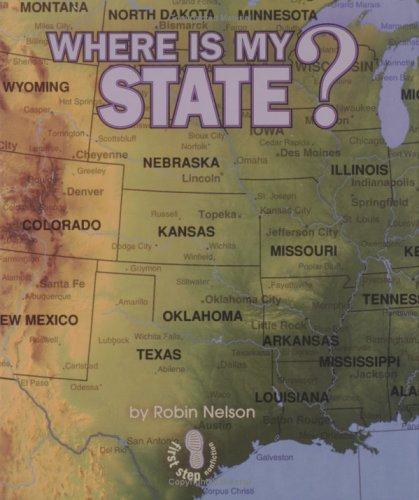
Reach for this book when your child starts asking where they are in the world or expresses anxiety about moving to a new, unfamiliar place. It serves as a gentle introduction to the vast concept of geography by starting with the familiar United States and zooming in to the specific level of a state. It is an excellent tool for building a sense of belonging and identity in early learners. The book uses clear photography and simple text to help children visualize their place on a map. By breaking down complex spatial concepts into manageable steps, it fosters self-confidence and curiosity. It is perfectly leveled for preschoolers and early elementary students who are just beginning to understand that the world exists beyond their own neighborhood or front door.
What Parents Should Know
Sensitive Topics
None. The book is a secular, direct, and factual exploration of geography. It is purely educational and maintains a neutral, helpful tone throughout.
Ideal Reader
A 5 year old child who is starting kindergarten and learning about their community, or a child who has recently moved to a new state and is trying to visualize their new home in relation to where they used to live.
Reviews
No reviews yet — be the first!
Your experience helps other parents find the right book.
Sign in to write a review


