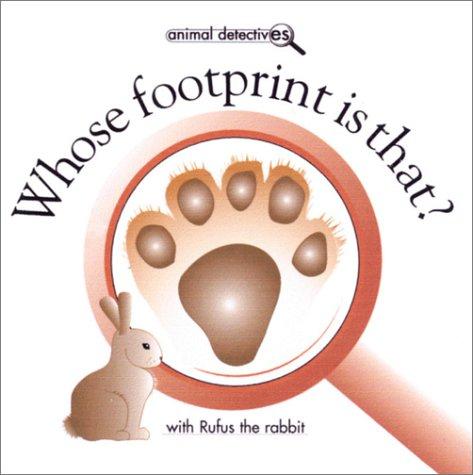
About This Book
Reach for this book when your child starts noticing the little details during neighborhood walks or park visits, or when they are in a high curiosity phase. It is an ideal choice for transitioning from simple animal identification to more complex critical thinking and deductive reasoning. The book uses a call and response format to turn learning into a game, fostering a sense of pride as children successfully guess which animal left which mark. It is perfectly calibrated for preschoolers and early elementary students who are eager to show off what they know about the natural world. By focusing on the evidence animals leave behind, it encourages patience, observation, and a deeper connection to the outdoors. It is a gentle, educational experience that builds confidence through interactive mystery solving.
What Parents Should Know
Sensitive Topics
None. The book is entirely secular and focuses on biological facts and observation.
Ideal Reader
A 4-year-old who is obsessed with 'detective' work or a 6-year-old who loves facts and wants to feel like an expert on their next hike. It is perfect for children who thrive on interactive reading rather than passive listening.
Parent Prep
This book can be read cold. Parents might want to practice their 'mystery-solving' voice to heighten the engagement during the question phase. A child asking 'What is that?' or 'Who was here?' while looking at marks in the mud, snow, or sand.
Reviews
No reviews yet — be the first!
Your experience helps other parents find the right book.
Sign in to write a review


