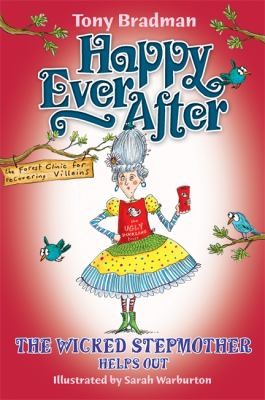
Reach for this book when you want to show your child that first impressions aren't always correct and that stereotypes can be misleading. This humorous chapter book turns the Cinderella story upside down. The new stepmother, Elvira, is anything but wicked. In fact, she’s a kind and sensible woman who is more frustrated with her lazy daughters than with her moping stepdaughter. When the prince turns out to be a spoiled brat, it’s Elvira who helps Cinderella see that true happiness isn't about a fairy tale ending. Perfect for early independent readers, this story gently encourages empathy and challenges black-and-white thinking about people and families in a funny, engaging way.
The book's primary theme is the deconstruction of the 'wicked stepmother' stereotype, directly addressing the concept of a blended family. The approach is secular, humorous, and entirely positive. The resolution is hopeful and empowering, suggesting that new family members can be a source of support and wisdom. It dismantles a common negative trope in a child-friendly way.
Your experience helps other parents find the right book.
Sign in to write a reviewThe ideal reader is a 7 to 9-year-old who enjoys fractured fairy tales and is developing an appreciation for irony and humor. It's particularly well-suited for a child who is beginning to question the simple 'good vs. evil' narratives in classic stories, or a child who is part of a blended family and would benefit from seeing a positive, proactive step-parent portrayal.

No prep is needed, the book can be read cold. However, a child's enjoyment might be enhanced if they are familiar with the original Cinderella story, as the humor relies on subverting those expectations. A quick recap of the classic tale could be helpful context. A parent might reach for this book after hearing their child make a snap judgment based on a stereotype (e.g., 'all stepmothers are mean,' or applying a label to a new classmate). It's also a perfect gentle opener for a conversation about a new step-parent entering the family.
A younger reader (7-8) will primarily enjoy the surface-level humor, the silly characters, and the simple joy of the fairy tale being 'wrong.' An older reader (9-10) will be better able to appreciate the satire, the commentary on judging others, and the theme of finding your own happiness rather than waiting for a prince to provide it.
While many books fracture fairy tales, this one is unique in making the 'villain' the competent, kind, and central protagonist. Instead of just empowering Cinderella, it redeems the stepmother. Elvira solves problems with logic and empathy, modeling a different kind of strength than the magic or pluck seen in other retellings. This focus on the adult's perspective is a refreshing and valuable twist.
This story reimagines the Cinderella fairy tale from the perspective of the stepmother, Elvira. Far from being wicked, she is a kind, practical woman who finds herself stuck with two lazy biological daughters and a mopey stepdaughter, Cinderella. Elvira encourages Cinderella to go to the ball, helps her get ready (no magic required), and accompanies her. At the palace, they discover Prince Charming is a spoiled, rude child. Elvira then helps Cinderella connect with the prince's sweet, book-loving younger brother, securing a much happier, more realistic ending for her stepdaughter.
This overview was generated by AI based on the book's content and reviews, and may not capture every nuance.