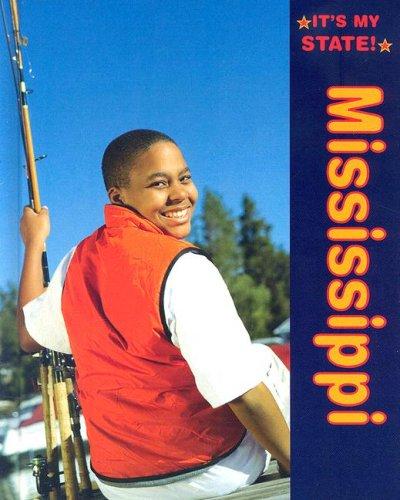
About This Book
A parent would reach for this book when their child is assigned a state research project or when the family is preparing for a move or vacation to the American West. It serves as a comprehensive guide to Wyoming, covering its geography, history, and the unique cultural identity of the Equality State. Beyond facts, the book instills a sense of wonder about the natural world and pride in regional heritage. It is perfectly calibrated for students aged 9 to 14, providing enough depth for academic work while remaining accessible and visually engaging. This is an ideal choice for building a child's confidence in gathering information and understanding how a specific landscape shapes the people who live there.
What Parents Should Know
Sensitive Topics
The book takes a direct, factual approach to the displacement of indigenous peoples. It is secular and realistic, framing historical conflicts within the context of westward expansion without overly sentimentalizing or ignoring the impact on native cultures.
Ideal Reader
A 4th to 8th grader who loves 'fun facts' or is a budding historian. This is specifically for the child who prefers concrete reality over fiction and wants to understand how the world is organized geographically and politically.


Reviews
No reviews yet — be the first!
Your experience helps other parents find the right book.
Sign in to write a review