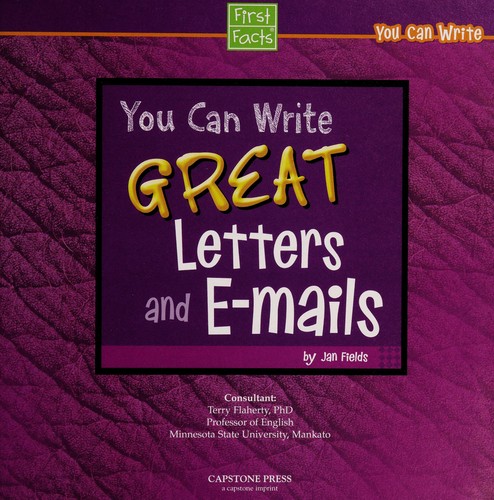
A parent should reach for this book when their child feels disconnected from a faraway friend or relative and struggles with how to express themselves in writing. This practical guide demystifies the art of writing both traditional letters and modern emails, breaking the process down into simple, manageable steps. It covers everything from brainstorming ideas to formatting and online safety. By framing writing as a powerful tool for connection, it helps build a child's self-confidence and reinforces the value of friendship and family bonds, making it an excellent resource for children navigating a move or simply wanting to strengthen their relationships.
There are no sensitive topics in this book. It is a straightforward, secular, and practical how-to guide focused entirely on the skill of writing for communication.
The ideal reader is a 9-year-old whose best friend has just moved away. They feel sad and disconnected and are unsure how to maintain the friendship over a distance. This book gives them a concrete, actionable way to bridge that gap. It is also perfect for a child who feels anxious about writing thank-you notes after a birthday or holiday.
Your experience helps other parents find the right book.
Sign in to write a reviewNo parent preparation is necessary. The book is self-explanatory and can be given to a child to read independently. A parent could enhance the experience by reading it with their child and initiating a joint letter-writing project, perhaps by supplying stationery and stamps. A parent witnesses their child's frustration or sadness over a friend who has moved. The child says something like, "I miss them, but I don't know what to write in a letter." Another trigger is the annual struggle to get a child to write thank-you notes, meeting resistance born from uncertainty.

An 8 or 9-year-old will focus on the foundational skills: how to structure a friendly letter, what to write about, and how to address an envelope. A 10 to 12-year-old will gain more from the nuanced sections on email etiquette, online safety, and the differences between formal and informal tones, preparing them for more complex digital communication.
This book's key differentiator is its dual focus on both traditional letters and emails, acknowledging the reality of modern communication for kids. Unlike many writing guides that are curriculum-focused, this one is entirely centered on the social and emotional purpose of writing. Its clean, graphic-heavy layout is highly appealing to reluctant readers and writers.
This nonfiction guide provides a clear, step-by-step introduction to personal correspondence for children. It covers the essential components of both handwritten letters and emails. Topics include brainstorming content, structuring the message (greeting, body, closing), addressing envelopes, and proper email etiquette such as crafting subject lines and understanding attachments. The book also includes a vital section on internet safety for email communication. The text is supported by checklists, simple graphics, and example letters, making it highly accessible.
This overview was generated by AI based on the book's content and reviews, and may not capture every nuance.