About This Book
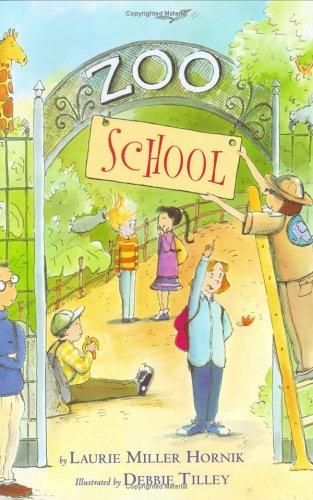
The students at the strange new Zoo School have never seen a school like it before, but when inspectors try to close it down because of irregularities, the students are surprised to find out how much they have learned.
peril_danger
Wonderlit Review
"Zoo School" by Laurie Miller Hornik is a charming early chapter book that introduces readers to a truly unique educational environment. The premise revolves around a school populated by (presumably anthropomorphic) animal students, where learning happens in unconventional and often humorous ways. The central conflict arises when a team of inspectors arrives, deeming the school too "irregular" to continue operating. This threat galvanizes the students, who must then demonstrate the value of their education and the deep learning they've experienced, often without even realizing it. The book handles the sensitive topic of potential loss and the fear of change in a lighthearted and accessible manner. The "threat" of closure is presented as a challenge to be overcome, rather than a source of deep anxiety, making it suitable for young readers. The emotional arc is largely positive, starting with the novelty of the school, moving through a period of mild peril, and concluding with a triumphant and heartwarming resolution as the students realize their own growth and the strength of their community. This book is specifically for children aged 6-9 who enjoy humorous stories, animal characters, and tales about school life. It's an excellent choice for a child who might be feeling a bit different or attending a new, unconventional school, as it normalizes unique experiences and celebrates individuality. A parent might reach for this book when their child is looking for a funny, engaging chapter book, or perhaps if they are navigating a new school environment themselves and could benefit from a story that champions the unexpected. Parents should preview the mild peril of the school being closed, but it's handled gently. Younger readers (4-6) will enjoy it as a read-aloud for its humor and animal characters, while early independent readers (7-9) will appreciate the engaging plot and accessible text. What sets "Zoo School" apart from other school stories is its whimsical premise and the way it subtly champions alternative learning styles and the inherent value of a supportive, if unusual, community. It's a delightful reminder that learning can happen in many forms and that sometimes, the most unexpected places teach us the most.
If Your Family Enjoyed This
Reviews
No reviews yet. Be the first to share how this book landed with your family.