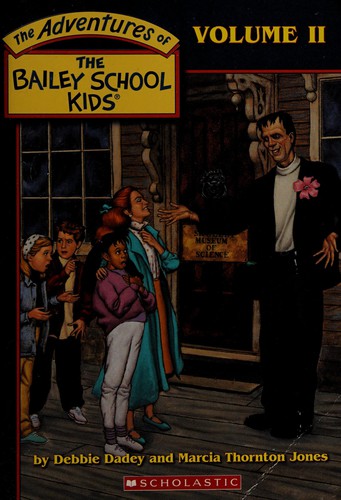
A parent might reach for this book when their newly independent reader is looking for a funny, slightly spooky, and engaging chapter book series that isn't truly scary. It's perfect for the child whose imagination runs wild and who loves to wonder about the secret lives of the adults around them. The Bailey School Kids series follows a group of third graders who are convinced their teachers and other community members are secretly monsters, like vampires, werewolves, and ghosts. The books blend everyday school life with humorous mystery, celebrating curiosity, teamwork, and the courage to investigate the unknown. Its simple vocabulary, short chapters, and recurring characters make it an ideal and confidence-boosting bridge from early readers to more complex novels.
Your experience helps other parents find the right book.
Sign in to write a reviewThere are no significant sensitive topics like death, divorce, or identity struggles. The theme of encountering “monsters” is a gentle metaphor for meeting new adults who seem strange or intimidating at first. The approach is entirely secular and humor-based.
The ideal reader is a 7 to 9-year-old who is just starting to read chapter books independently. They enjoy mysteries and spooky themes but are not ready for genuine horror or high-stakes peril. This child has a vibrant imagination, loves to ask “what if,” and will be delighted by the idea that magic and monsters could be hiding in plain sight.
No parent prep is required. These books can be read cold. The concepts are simple, and the slightly spooky elements are always undercut by humor. Parents can enjoy discussing the “evidence” with their child and speculating on whether the monsters are real or not. A parent has noticed their child showing interest in spooky stories but is still easily frightened. The parent might hear their child say something like, “The lunch lady is so grumpy, I bet she's a troll!” This series perfectly channels that imaginative, slightly fearful curiosity into a safe and funny reading experience.
A younger reader (age 7) will likely focus on the plot and the exciting possibility that the monster is real, enjoying the thrill of the investigation. An older reader (age 9-10) is more likely to appreciate the humor of the kids' wild conclusions and recognize the ambiguity as the central joke of the series. They may also relate more to the friendship dynamics and disagreements within the group.
The series' most unique quality is its steadfast commitment to ambiguity. Unlike almost any other children's mystery series, the central question of “Are they or aren't they a monster?” is never answered. This elevates the books from simple mysteries to springboards for imagination, empowering the reader to make the final decision.
This series follows a core group of four third-grade friends: Howie, Eddie, Liza, and Melody. In each book, a new, slightly eccentric adult enters their lives (a teacher, a camp counselor, the school nurse), and the kids become convinced this person is a monster in disguise. The first book, “Vampires Don't Wear Polka Dots,” sets the formula. The kids gather humorous “evidence” to support their theory about their new teacher, Mrs. Jeepers. A key feature of the series is that the central mystery is never definitively solved, leaving the conclusion ambiguous and up to the reader's imagination.
This overview was generated by AI based on the book's content and reviews, and may not capture every nuance.