For the child who loves cunning anti-heroes and thrilling adventures, this book plunges into a high-stakes world where an unlikely alliance must form to prevent war.
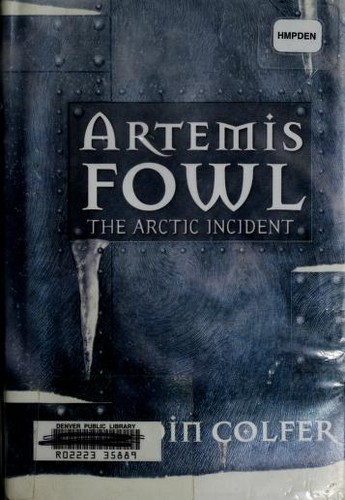
A parent might reach for this book when their smart, tech-savvy child is bored by simple good-guy stories and craves a challenge. The Arctic Incident continues the adventures of Artemis Fowl, a 12-year-old criminal mastermind who must form an uneasy alliance with the high-tech fairy police force he previously battled. His father has been kidnapped by the Russian Mafiya, and a goblin rebellion, armed with human technology, threatens the fairy world. Artemis must use his intellect to solve both crises. This fast-paced blend of sci-fi and fantasy explores themes of teamwork, loyalty, and redemption. It’s perfect for readers who love witty dialogue, intricate plots, and a hero who is clever, complicated, and growing into his conscience.
Characters are in constant danger. A parent is kidnapped, held for ransom, and tortured (off-page).
Moral AmbiguityModerate
The protagonist is a self-described criminal who uses questionable methods for a noble goal.
Sensitive Topics
The primary sensitive topic is the kidnapping and peril of a parent. Artemis Fowl Sr. is held captive for an extended period, and it's implied he is being tortured. The approach is action-focused and secular. The resolution is hopeful: his father is rescued, but he is seriously injured and suffers from memory loss, setting up future character arcs. Violence is persistent but fantastical.
Ideal Reader
A 10 to 13-year-old who loves puzzles, spy thrillers, and witty, fast-paced dialogue. This reader enjoys morally complex characters and is likely a fan of video games with intricate plots. They are intellectually curious and appreciate a story that doesn't talk down to them, blending humor with high stakes. This is for the kid who loves to see a plan come together.
Parent Prep
The book can be read cold, although having read the first book enhances the experience. Parents should be aware that the vocabulary is advanced and the plot is complex. The violence, while not graphic, is frequent and involves fantasy creatures and advanced weaponry. The villains are genuinely menacing and ruthless in their pursuit of power. A parent notices their child is getting bored with traditional hero stories. The child might have said something like, "Why don't they just use their brains?" or has started rooting for the clever villains in other media. They're ready for a protagonist who operates in a moral gray area.
Age Experience
A younger reader (10-11) will be captivated by the action, the cool gadgets, the humor, and the imaginative world of fairies and goblins. An older reader (12-14) will more deeply appreciate the intricate plotting, the corporate satire within the fairy world, the clever wordplay, and the subtle character development as Artemis begins to evolve from a self-serving anti-hero to someone who values loyalty and friendship.
What Makes It Special
This book's key differentiator is its unique fusion of ancient Irish mythology with cutting-edge science fiction. Unlike most fantasy series, the protagonist is not a chosen one with magical powers but an intellectual anti-hero who uses technology, wit, and strategy. The cynical, humorous tone and the treatment of magic as a scientific resource set it apart from more earnest fantasy adventures.
Read plot summary
The story operates on two parallel tracks that quickly converge. Artemis Fowl's father is being held for ransom by the Russian Mafiya in the Arctic. At the same time, the underground fairy civilization faces a massive goblin rebellion, armed with sophisticated human technology. Captain Holly Short of the LEPrecon suspects Artemis is the supplier. She apprehends him, only to learn he is innocent. They form a reluctant alliance: Artemis will help the fairies uncover the true traitor in exchange for their help in rescuing his father. The plot involves high-tech intrigue, battles with trolls, and uncovering a conspiracy orchestrated by the power-hungry pixie Opal Koboi.
This overview was generated by AI based on the book's content and reviews, and may not capture every nuance.
Discussion Prompts
1
Artemis and Holly start as enemies but have to work together. What specific moment do you think they truly started to trust each other? Why was that moment so important?
2
Opal Koboi and Briar Cudgeon betray their own people for power. How are their motivations different from Artemis's, who also breaks rules for his own goals (like rescuing his father)?
3
Butler is incredibly loyal to Artemis. Do you think Artemis deserves that loyalty at the beginning of the book? Does he earn it by the end? Explain your thinking.
4
The book blends magic with advanced technology. Which piece of fairy tech (like the shuttleports, wings, or bio-bombs) did you find the most interesting and why?