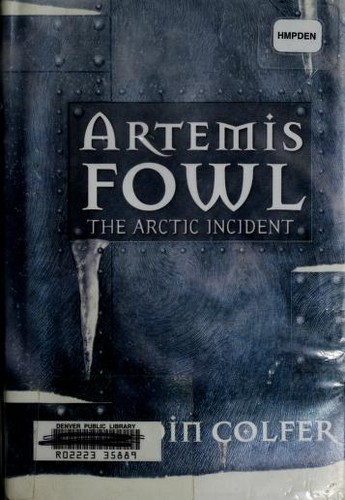
A parent might reach for this book when their intellectually curious child is grappling with the idea of past mistakes or personal growth. In this sixth installment of the Artemis Fowl series, Artemis's mother is struck by a magical illness that can only be cured by an animal he himself made extinct years ago. To save her, he must travel back in time and confront his younger, more ruthless self. The story is a thrilling, high-stakes adventure that masterfully explores themes of redemption, accountability, and the complexities of identity. It's a fantastic choice for a mature middle-grade reader who enjoys intricate plots and is ready to think about whether we are defined by our past actions or by who we strive to become.
A major supporting character dies in a sacrificial act, which is emotionally impactful.
Moral AmbiguityModerate
The protagonist must confront and battle his own past, more ruthless self.
Sensitive Topics
The central plot is driven by a parent's serious illness, which is portrayed as dire and magical rather than realistic. The story also features the direct, on-page death of a major, beloved character, which is treated with emotional weight. The resolution is ultimately hopeful but acknowledges loss and sacrifice. The book's moral framework is secular, focusing on personal growth, redemption, and the consequences of one's actions.
Ideal Reader
A 12-to-14-year-old who is a fan of intricate sci-fi and fantasy and loves a morally complex protagonist. This reader enjoys puzzles, paradoxes, and seeing a character reckon with the person they used to be. They are not looking for a simple good-triumphs-over-evil narrative and appreciate wit and sarcasm.
Parent Prep
Parents should be aware that the time travel mechanics are complex and may be confusing. Be prepared for conversations about the death of a beloved character. The core concept of fighting one's younger self is a great opportunity to discuss personal growth, self-forgiveness, and how people change over time. The book can be read cold, but it is much richer with the context of the previous five books. A parent notices their child thinking about past mistakes, saying things like "I wish I could do that over." Or, the child is a devoted Artemis Fowl fan who is ready for a story with more significant emotional consequences and deeper character exploration.
Age Experience
A younger reader (10-11) will likely focus on the adventure, the futuristic technology, the magical creatures, and the humor. An older reader (12-14) will more deeply appreciate the psychological struggle Artemis faces, the ethical dilemmas of his choices, and the bittersweet nature of his personal growth. They will better understand the title's reference to both time travel and Artemis's internal paradoxes.
What Makes It Special
This book uses the time travel trope not just for a history-altering adventure, but as a deeply personal psychological crucible. The primary antagonist is the protagonist's own past self, creating a unique and compelling metaphor for confronting and overcoming one's own worst impulses. The fusion of high-tech fantasy with this introspective conflict is what makes it stand out.
Read plot summary
Artemis Fowl's mother, Angeline, contracts Spelltropy, a life-threatening magical illness. The only cure is derived from the brain fluid of the silky sifaka lemur, an animal Artemis made extinct in a past business deal. To save her, Artemis and Holly Short must use experimental time travel technology to go back eight years. There, they must outwit a brilliant and ruthless 10-year-old Artemis, who is also hunting the last lemur. The mission is complicated by the presence of the villainous pixie Opal Koboi, who is manipulating events from the future for her own ends.
This overview was generated by AI based on the book's content and reviews, and may not capture every nuance.
Discussion Prompts
1
When the current Artemis meets his younger self, he is disgusted by how cruel and selfish he was. Why do you think it's so hard for him to face his past? Have you ever felt like you've changed a lot from who you used to be?
2
Holly Short struggles to trust the older Artemis because her memory of his younger self is so strong. Do you think people deserve a second chance, even if they've done bad things in the past? What does it take to earn back trust?
3
At the end of the book, Artemis has to make a difficult choice that involves a huge sacrifice to save the day. Do you think he would have made the same choice at the beginning of the series? How has he changed?
4
The villain Opal Koboi manipulates both the younger and older Artemis. How does she use their personalities (the younger's greed, the older's guilt) against them? What does this say about understanding people's motivations?