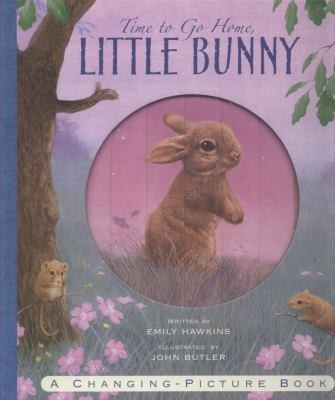
Reach for this book when your child is standing on the precipice of a milestone and feeling the heavy weight of 'what if.' Whether it is the first day of preschool, starting a new swim lesson, or finally trying the big slide at the park, this story provides the emotional vocabulary to discuss the nerves that come before a big leap. It follows a young bird who watches his peers fly while he remains tethered to the safety of the nest by his own hesitation. Through gentle pacing and relatable internal dialogue, the book validates that being brave does not mean you are not scared, it means moving forward even when your wings feel a little shaky. Targeted at children ages 3 to 6, it is an ideal choice for parents who want to normalize anxiety as a natural part of growth. The story shifts beautifully from the tension of the 'stay' to the exhilaration of the 'go,' ending with a sense of pride that will leave your little one feeling empowered to take their own first flight.
Your experience helps other parents find the right book.
Sign in to write a reviewFeelings of loneliness while watching others succeed.
The book deals with anxiety and fear of failure. The approach is metaphorical, using the 'first flight' as a universal symbol for any daunting new experience. It is entirely secular and the resolution is hopeful and empowering.
A 4-year-old who is physically capable of a new task (like riding a bike without training wheels or entering a classroom) but is being held back by 'the worries.' It is for the cautious child who needs to see that the struggle is internal, not a lack of ability.
This book can be read cold. The text is simple and the illustrations carry much of the emotional weight. A parent might reach for this after hearing their child say 'I can't' or seeing them cling to a leg at the entrance of a birthday party or new activity.
Younger children (age 3) will focus on the birds and the physical action of flying. Older children (5-6) will better grasp the metaphor of bravery and identify with the bird's internal hesitation.
Unlike many 'bravery' books that use loud action or external pressure, this story is remarkably quiet and patient. It allows the bird the time he needs to decide for himself, modeling intrinsic motivation rather than external pushing.
The story centers on a fledgling bird who is physically ready to fly but emotionally hesitant. While other birds take to the air with ease, our protagonist struggles with the gap between wanting to join them and the fear of the unknown. The narrative follows his internal journey of observation, small movements of courage, and the eventual successful flight that leads to a new sense of freedom.
This overview was generated by AI based on the book's content and reviews, and may not capture every nuance.