
A parent might reach for this book when their child is ready for their first chapter book mystery or shows a budding interest in puzzles and problem-solving. It's an excellent way to introduce deductive reasoning in a fun, low-stakes context. The story follows a group of clever kid detectives as they investigate a suspected fake painting at a museum. They must use observation, teamwork, and logic to uncover the truth. The book champions curiosity, collaboration, and the importance of honesty. Ideal for readers aged 7 to 10, its simple language and engaging plot make it a perfect bridge to more complex mysteries, building both reading stamina and critical thinking skills.
None. The conflict is external and very low-stakes. The crime of art forgery is non-violent and the resolution is straightforward and positive. The book does not deal with any sensitive personal or family issues.
Your experience helps other parents find the right book.
Sign in to write a reviewA 7- or 8-year-old who has just graduated from early readers and is looking for their first chapter book. They enjoy shows like "Scooby-Doo" or playing logic games and are ready for a story with a clear problem and a satisfying, solvable conclusion. This is for the child who likes to feel smart and capable.
No prep needed. The book is straightforward and can be read cold. Concepts like art forgery are explained simply within the text, making it easily accessible for the target age range. A parent notices their child enjoying "I Spy" books, trying to solve riddles, or asking "why?" about everything. The child might have expressed a desire for a "grown-up" book with chapters, but is not ready for anything too complex or scary.
A 7-year-old will enjoy the straightforward plot and the victory of the kids outsmarting the adults. An older 9- or 10-year-old might find the mystery a bit simple, but will appreciate it as a quick, confidence-boosting read. They may focus more on the process of deduction and how the clues fit together, perhaps even predicting the outcome early on.
As part of the "Museum Mysteries" series, this book uniquely blends a classic kid-detective format with an educational setting. Unlike more fantastical mysteries, this one is grounded in a realistic scenario and focuses on tangible skills like close observation and logical deduction. The art history theme provides a nice bit of learning, making it a great "how-to" for aspiring young sleuths.
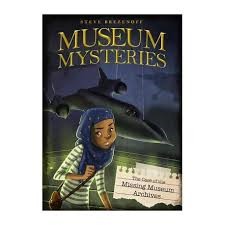
Kid detectives Carlos, Clementine, and a few friends visit a museum and suspect a famous painting has been replaced with a forgery. They use their observation skills, knowledge of art, and teamwork to investigate the museum staff and uncover the truth behind the counterfeit.
This overview was generated by AI based on the book's content and reviews, and may not capture every nuance.