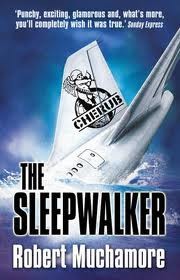
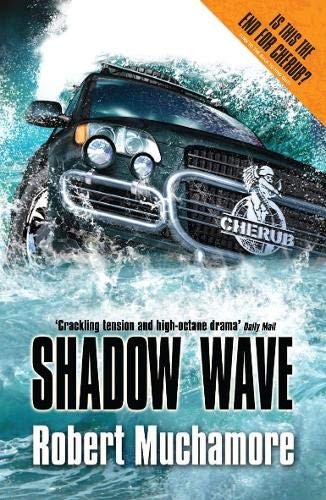
For the young reader craving a high-stakes adventure, this book plunges into the thrilling world of secret agents, exploring themes of courage, loyalty, and justice.
A parent might reach for this book when their thrill-seeking teen claims all books are boring. Guardian Angel is perfect for young readers who crave the non-stop action of a blockbuster movie. The story follows a teenage secret agent on a high-stakes mission to protect the son of a billionaire crime boss from a brutal kidnapping plot. It's a fast-paced, plot-driven novel that explores themes of courage, loyalty, and the difficult choices people make in dangerous situations. While appropriate for ages 12-16, it contains realistic violence and moral complexities, making it a great choice for a mature reader ready for a story that doesn't pull its punches and can spark conversations about responsibility and justice.
Some mild swearing and slang appropriate for the teenage characters and intense situations.
Substance ReferencesMild
Minor references to adults consuming alcohol in social settings.
Sensitive Topics
The book's primary sensitive topic is violence, which is portrayed directly and realistically within the context of crime and espionage. It includes gunfights, physical assaults, and kidnapping. The approach is entirely secular. The resolution is hopeful in that the main characters survive and succeed, but it is also realistic, acknowledging the psychological toll and the messy, often brutal, nature of their world. Moral ambiguity is a key theme, as the protagonists operate in a gray area to achieve their goals.
Ideal Reader
The ideal reader is a teen, aged 13-16, who loves action movies and video games. This reader is often easily bored by slower-paced narratives and is looking for a book that delivers constant excitement and high stakes. They are likely interested in concepts of justice and responsibility, and can handle a story where the lines between good and evil are sometimes blurred.
Parent Prep
Parents should be prepared for the level of violence, which is consistent with a PG-13 action film. There are shootings, fights, and intense peril. The book can be read cold by a teen, but parents might want to be ready for discussions about the ethics of using children as spies and the moral compromises the characters must make. No specific pages require previewing, but a general awareness of the spy-thriller genre is helpful. A parent has a teen, particularly a boy, who is a reluctant reader and claims books are not as exciting as movies or video games. The parent is looking for a gateway book that can compete with screen media for their child's attention and prove that reading can be a thrilling experience.
Age Experience
A younger reader, around 12 or 13, will primarily focus on the action, the spy gadgets, and the fantasy of being a highly competent young agent. An older reader, 15 or 16, is more likely to appreciate the nuances of the plot, the psychological weight on the characters, and the complex moral landscape of the CHERUB universe.
What Makes It Special
Compared to other kid-spy series like Alex Rider, Robert Muchamore's world is grittier and more grounded in realism. It meticulously details the training, psychological preparation, and plausible dangers of espionage, treating the premise not as a fun adventure but as a serious and dangerous job. This focus on realistic tradecraft and consequences sets it apart.
Read plot summary
CHERUB agent Ryan Sharma is assigned to a seemingly simple protection detail: befriend and guard Ethan Aramov, the difficult son of a notorious and powerful Russian tycoon. The mission quickly spirals out of control when Ethan's mother is violently kidnapped by a rival criminal organization. Ryan must use all his training to navigate a treacherous world of organized crime, keep his young charge safe, and aid in a high-stakes rescue operation where any mistake could be fatal.
This overview was generated by AI based on the book's content and reviews, and may not capture every nuance.
Discussion Prompts
1
Ryan's mission is to protect Ethan, even though he finds Ethan difficult and spoiled. Why do you think Ryan sticks with the mission? Have you ever had to help someone you didn't like?
2
The CHERUB agents are children, but they are asked to do dangerous, adult jobs. Do you think it's right for the government to use kids as spies? What are the pros and cons?
3
When Ethan's mother is kidnapped, the mission changes drastically. How does Ryan's role shift from bodyguard to something more? What skills did he have to use that weren't just about physical fighting?
4
Ryan has to lie constantly about who he is. How do you think this affects him? What would be the hardest part about living a double life?