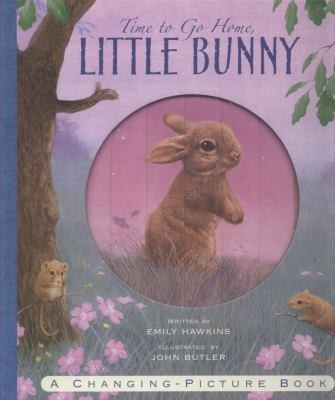
About This Book
Reach for this book when your child is buzzing with anticipation for a coming season, a holiday, or a big event and needs help understanding that some things cannot be rushed. It is a perfect selection for those late winter days when the air is turning crisp and young ones are constantly asking when they can finally play outside without heavy coats. Through the eyes of a curious little bunny named Hopper, the story explores the transition from winter to spring as a physical search for a friend. Hopper sets out on a quest to find 'Spring,' mistakenly believing it is a person or animal he can meet. Along the way, he encounters various forest friends who help him understand the subtle signs of nature. The book beautifully captures the themes of patience and wonder, making it an excellent tool for explaining environmental changes. It is gentle and visually soft, ideal for ages 3 to 6, providing a comforting narrative that validates a child's eagerness while teaching them how to observe the world around them.
What Parents Should Know
Sensitive Topics
This is a secular and gentle nature story. There are no heavy topics like death or trauma. The only potential tension is Hopper's mild confusion and the brief startle of meeting a bear, but the resolution is entirely hopeful and comforting.


Reviews
No reviews yet — be the first!
Your experience helps other parents find the right book.
Sign in to write a review