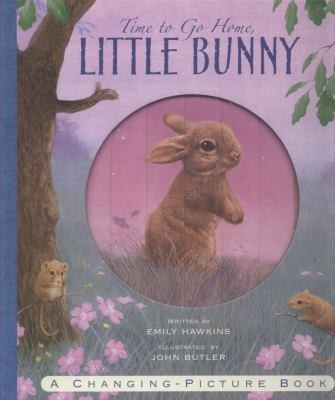
A parent would reach for this book when their child is beginning to navigate the back and forth routine of living in two separate homes. It is a gentle resource designed to soothe the anxiety of separation and the confusion of a changing family structure. The story follows Little Bear as he settles into two different caves, realizing that while his environment and the parent he is with might change, the love surrounding him remains constant. Written for children ages 3 to 7, the book uses an animal metaphor to normalize the logistical and emotional shifts of divorce. Parents will appreciate how it validates feelings of sadness or loneliness while focusing on the resilience of the parent-child bond. It serves as a soft landing spot for difficult conversations, providing a sense of security and belonging in both locations.
The book addresses divorce and dual-residency directly through an animal metaphor. The approach is entirely secular and grounded in emotional realism. The resolution is hopeful but realistic, acknowledging that while things are different, they can still be good.
Your experience helps other parents find the right book.
Sign in to write a reviewA preschooler or early elementary student who is struggling with the transition between houses or who expresses 'missing' the other parent while away. It is perfect for the child who needs a concrete visual for their new family structure.
This book is safe to read cold, but parents should be ready for the child to point out similarities or differences in their own two homes during the reading. A parent might reach for this after hearing their child ask, 'When can I go home?' while already being at one of their homes, or seeing the child become tearful during 'hand-off' times.
3-year-olds will focus on the repetitive nature of the love and the physical items in the caves. 6-7-year-olds will better grasp the concept of a 'permanent' love that exists even when a parent is out of sight.
Unlike many divorce books that focus on why parents split, this one focuses almost exclusively on the child's experience of 'place' and 'belonging,' making it a very functional tool for residential transitions.
The story depicts a young bear cub who spends time in two different dens following his parents' decision to live apart. The narrative focuses on the transition process, the physical differences between the two homes, and the emotional reassurance provided by both mother and father bear. It culminates in the realization that he is 'home' regardless of which cave he occupies because his family's love is portable.
This overview was generated by AI based on the book's content and reviews, and may not capture every nuance.