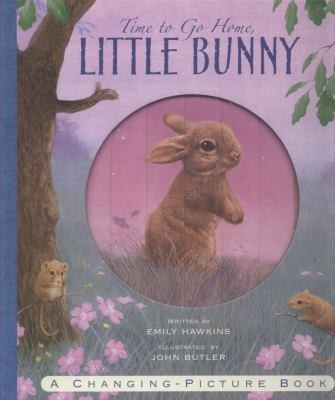
About This Book
Reach for this book when you want to settle down for a quiet moment of connection or when your child needs a gentle reminder that love is a universal language shared by all families. It serves as a rhythmic, soothing reassurance that the bonds of affection they feel at home are mirrored in the wide, wonderful world of nature. This sweet concept book takes readers on a tour of the zoo to witness how different animal parents care for their young. Through soft illustrations and simple, rhyming text, it highlights themes of protection, joy, and familial warmth. It is perfectly calibrated for toddlers and preschoolers who are beginning to explore their emotions and their place in the world, providing a comforting bedtime or lap-reading experience that models empathy and kindness.
What Parents Should Know
Sensitive Topics
The book is entirely secular and avoids any distressing topics. It focuses exclusively on the positive, nurturing aspects of family life. There is no mention of predators, illness, or loss.
Ideal Reader
A three-year-old who has recently visited a zoo and is going through a 'clingy' phase, needing constant tactile reassurance that they are safe and loved.
Parent Prep
No specific preparation is needed. The book can be read cold and is designed for easy, rhythmic flow. A parent might reach for this after a long day of transitions or after a child expresses a fear of being alone, using the animal metaphors to anchor the child's sense of security.


Reviews
No reviews yet — be the first!
Your experience helps other parents find the right book.
Sign in to write a review