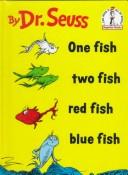
Reach for this book when you want to transform a rainy afternoon or a restless bedtime into a session of pure, rhythmic play. It is the perfect choice for a child who is just starting to notice the patterns in the world around them, from colors and numbers to the sheer absurdity of imagination. This book is less about a linear story and more about an emotional invitation to find joy in the unexpected and the silly. Dr. Seuss uses whimsical creatures like the Gump and the Zans to celebrate the diversity of life, teaching children that 'from there to here, from here to there, funny things are everywhere.' It is ideal for ages 3 to 7, serving as both a foundational tool for early literacy and a comforting reminder that the world is a big, colorful, and friendly place. Parents choose it to build confidence in new readers through its repetitive, bouncy meter and its contagious sense of wonder.
Your experience helps other parents find the right book.
Sign in to write a reviewThe book is entirely secular and whimsical. It avoids heavy topics, though it briefly touches on sadness (the 'sad, glad, bad' fish) in a metaphorical way to introduce emotional vocabulary. There are no depictions of trauma or real-world conflict.
A 4-year-old who is beginning to recognize sight words and loves to giggle at nonsense. It is also perfect for a child who feels overwhelmed by rigid rules and needs a safe space to explore 'what if' scenarios.
This book can be read cold. Parents should be prepared for the fast-paced rhyme, which is designed to be read with exaggerated inflection to keep children engaged. A parent might reach for this after seeing their child struggle with the 'seriousness' of learning to read or after a day where the child seemed frustrated by having to follow strict instructions.
For a 3-year-old, the experience is purely sensory: the colors, the rhythm, and the funny shapes. A 6-year-old experiences it as a linguistic puzzle, enjoying the wordplay and the satisfaction of predicting the rhymes.
Its unique strength is the 'Seussian' vocabulary: the invention of names like 'Yink' and 'Gox' forces the reader to rely on phonics rather than context clues, making it an unparalleled tool for building decoding skills through humor.
The book is a quintessential concept book that moves through a series of vignettes featuring imaginative creatures and children. It introduces opposites (high/low, fat/thin), colors, and counting through a rhythmic, rhyming structure that lacks a central plot but maintains a cohesive theme of discovery.
This overview was generated by AI based on the book's content and reviews, and may not capture every nuance.
