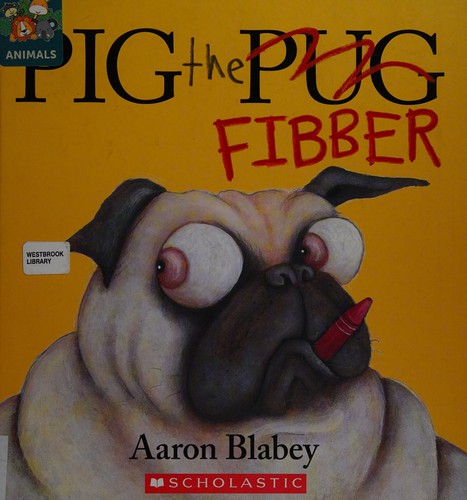
A parent should reach for this book when their child is starting to experiment with fibs to get out of trouble, especially by blaming others. Pig the Fibber features a very naughty pug named Pig who tells increasingly outrageous lies to avoid taking responsibility for his messes, always blaming his sweet-natured friend, Trevor. The story uses rhyming text and hilarious, expressive illustrations to show how one small lie can snowball into a massive, teetering pile of trouble. Through extreme, slapstick humor, it explores themes of honesty, fairness, and the natural consequences of our actions in a way that is memorable and funny, not preachy. It's a perfect conversation starter for children aged 4 to 7 about why telling the truth is always the better option, even when it's hard.
The book's approach to consequences is metaphorical and handled with cartoon-style slapstick. There are no sensitive topics like death, divorce, or identity. The resolution is humorous and hopeful, implying Pig might have learned a lesson, though his character's nature suggests he will continue to be comically flawed.
Your experience helps other parents find the right book.
Sign in to write a reviewThe ideal reader is a 4 to 7-year-old who has been caught telling a blame-shifting lie. This is for the child who understands right from wrong but is tempted by the 'easy way out'. It is particularly effective for children who respond more to humor and clear, visual consequences than to gentle, earnest talks about honesty.
A parent might want to preview the two-page spread showing Pig's fall from the window. While it is depicted in a completely cartoonish, non-graphic way, the image of a character falling from a height could be momentarily startling for a very sensitive child. The book can be read cold as the humor is self-evident, but a follow-up chat is highly recommended. A parent hears their child say, "He did it!" or "It wasn't me, it was the cat!" after something has clearly been broken or a mess has been made. The trigger is observing a child's attempt to avoid consequences by fabricating a story and blaming an innocent party.
A younger child (4-5) will focus on the slapstick humor, the funny rhymes, and the basic moral that lying is bad. They enjoy the visual gags of Pig's naughty behavior and Trevor's sad face. An older child (6-8) can better appreciate the social-emotional nuance: the injustice to Trevor, the concept of a lie snowballing, and the irony in the final scene. They can engage more deeply with the idea of cause and effect.
Unlike many books on honesty that feature gentle lessons and relatable protagonists, Pig the Fibber uses an anti-hero. Pig is unapologetically naughty, and the book's humor comes from his over-the-top awfulness. The consequence is not a timeout or a lecture, but a spectacular, cartoonish comeuppance. This direct, hilarious approach to cause-and-effect makes the lesson stick without feeling preachy.
Pig the Pug, a selfish and greedy dog, repeatedly gets into trouble and makes messes. Instead of admitting his faults, he blames everything on his loyal and gentle friend, Trevor the dachshund. Pig's lies escalate from breaking a bowl to creating a mountain of wreckage in the house. To make his biggest lie believable, he stands on top of the precarious pile, leading to a comedic, slapstick fall from a window.
This overview was generated by AI based on the book's content and reviews, and may not capture every nuance.
