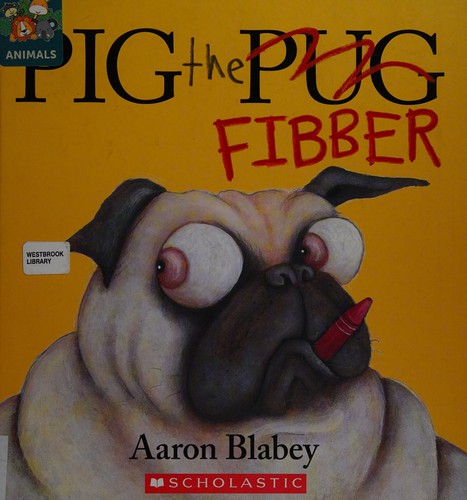
A parent should reach for this book when their child is turning every game into a must-win battle, complete with cheating or post-loss tantrums. This hilarious cautionary tale follows Pig, a pug who is an absolutely terrible sport. He cheats, he gloats, and he cannot stand losing to his sweet-natured friend, Trevor. Pig's need to win at all costs escalates to ridiculous heights, leading to a comical and explosive consequence that lands him in a full-body cast. Through its zany rhymes and slapstick humor, the story provides a perfect, low-stakes way to start a conversation about good sportsmanship, fairness, and why playing together is more important than winning. It's an ideal, funny mirror for competitive kids aged 3 to 7, showing them the absurdity of being a poor sport without being preachy.
This book does not contain sensitive topics like death, divorce, or identity issues. The central conflict is behavioral. The injury Pig sustains is presented as a slapstick, non-traumatic, and direct consequence of his poor choices, with a purely comedic tone.
Your experience helps other parents find the right book.
Sign in to write a reviewThe ideal reader is a 4 to 6-year-old child who struggles with losing. This could be a child who melts down after losing a board game, gets angry during sports, or is known to bend the rules to ensure they win against siblings or friends. It serves as a funny "mirror" for a competitive personality.
No significant prep is needed. The book can be read cold. A parent might want to preview the final page, where Pig is still trying to compete from his cast. This is a great discussion point: has he really learned his lesson? It emphasizes that changing behavior is a process. The slapstick accident is cartoonish and unlikely to frighten most children. A parent has just refereed a tear-filled game of Chutes and Ladders. They've received a note from preschool about their child not being a good sport on the playground. They've witnessed their child gloating excessively after a win or storming off after a loss.
A 3-year-old will enjoy the bouncy rhymes and laugh at the funny pictures of the dog's expressions. A 5-year-old will understand the concept of cheating and see the clear, if exaggerated, cause-and-effect of Pig's actions. A 7-year-old can engage in a more nuanced discussion about why fair play is important for friendships and why winning isn't everything.
Unlike many books on sportsmanship that use gentle characters who learn a soft lesson, 'Pig the Winner' uses an unrepentant anti-hero and extreme slapstick humor. The lesson is delivered by showing how ridiculous and self-defeating poor sportsmanship can be. The over-the-top comedy makes the topic accessible and memorable for young children, who might tune out a more earnest message.
Pig the Pug is pathologically competitive and a sore loser. He must win every game he plays with his housemate, Trevor, a dachshund. To ensure victory, Pig resorts to increasingly outrageous forms of cheating, from changing the rules mid-game to using a rocket-powered skateboard in a race. His final scheme backfires spectacularly, launching him into the air and resulting in him being placed in a full-body cast. The final illustration shows that even in his incapacitated state, Pig has not learned his lesson and is still desperately trying to beat Trevor at eating, humorously reinforcing his core character trait.
This overview was generated by AI based on the book's content and reviews, and may not capture every nuance.