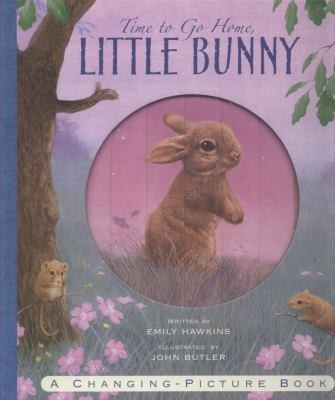
A parent would reach for this book when their child is struggling to process the upheaval of a separation, a new living arrangement, or the introduction of a new partner into the family. It is a gentle tool for navigating the messy feelings that arise when a child's world is split into two homes. The story follows a young child observing the changes in their life after their parents separate, focusing on the mix of loss and new beginnings. Written for children ages 3 to 7, this book avoids complex legal jargon or heavy drama, focusing instead on the emotional reality of a child's day-to-day life. It validates that while some things are different (like where they sleep or who is at the dinner table), the most important things remain constant. Parents will find it an excellent bridge for starting difficult conversations about blended families and the permanence of a parent's love despite external changes.
Your experience helps other parents find the right book.
Sign in to write a reviewThe book deals directly with parental separation and the introduction of a step-parent. The approach is secular and highly realistic. It doesn't sugarcoat the sadness of change, but it provides a hopeful resolution by showing the child thriving in their new 'normal.'
A 4 to 6-year-old who is currently transitioning between two households or is about to meet a parent's new romantic partner for the first time.
Parents should read this beforehand to ensure the specific family configuration in the book (mother/father separation and new partners) aligns with their own situation. It is best read together in a quiet moment where the child feels safe to ask questions. A parent might reach for this after hearing their child say, 'I want things to go back to how they were,' or witnessing the child's anxiety during the Sunday evening transition between homes.
For a 3-year-old, the focus will be on the colorful illustrations and the reassurance of being loved. A 7-year-old will pick up on the specific nuances of 'moving on' and might use the book to articulate their own frustrations about house-swapping.
Unlike many books that only focus on the initial divorce, Marlow's work extends into the 'new normal' of blended families and step-parents, providing a longer-term perspective on family evolution.
The story depicts a child navigating the transition from a nuclear family to a split-household and eventually a blended family structure. It focuses on the tactile and emotional changes: the different bedrooms, the new routines, and the arrival of a parent's new partner. It highlights that while physical circumstances shift, the emotional core of the parent-child relationship remains a constant.
This overview was generated by AI based on the book's content and reviews, and may not capture every nuance.