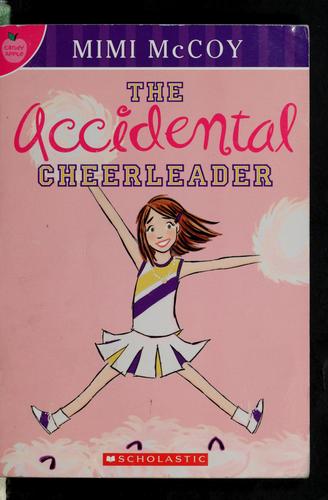
A parent might reach for this book when their child feels like an outsider or is struggling to balance new opportunities with old friendships. It tells the story of Sophie, a quiet girl who accidentally tries out for and makes the popular cheerleading squad, much to the dismay of her science-loving best friend. The book gently explores the challenges of navigating new social hierarchies, dealing with peer pressure from a new crowd, and staying true to oneself when interests change. With its light, humorous tone, it's a perfect fit for middle-grade readers, offering a reassuring message that you don't have to choose just one identity to belong.
The book's conflicts are centered on social dynamics: peer pressure, cliques, friendship breakups, and mild social bullying (exclusion, snide comments). The approach is direct, secular, and highly relatable for its target audience. The resolution is hopeful and affirming, with the main characters learning to communicate better and accept each other's changing identities.
Your experience helps other parents find the right book.
Sign in to write a reviewA 9 to 12-year-old who is beginning to navigate the complex social world of middle school. This book is perfect for a child who feels pulled between different friend groups, worries about fitting in, or has recently experienced a painful drift with a close friend due to new interests.
No specific preparation is needed. The themes are common and handled in a safe, age-appropriate manner. The book can be read cold, but it opens the door for conversations about what makes a true friend and how to handle disagreements when friends develop different interests. A parent overhears their child saying, "My best friend is changing and I don't like it," or, "If I join this club, my other friends will think I'm weird." The trigger is observing a child's anxiety over social changes and a fear of losing their place or their friends.
A younger reader (9-10) will enjoy the plot's humor, the cheerleading details, and the clear-cut friendship drama. An older reader (11-12) will connect more with Sophie's internal struggle with her identity, the nuances of peer pressure, and the realization that personal growth can be scary but rewarding.
Unlike many books in this genre that present a simplistic popular vs. unpopular dichotomy, this story offers more nuance. While the cheer captain is a classic antagonist, Sophie learns that not all popular kids are mean. The core message is not about rejecting one group for another, but about integrating different parts of yourself, making it a more sophisticated take on the typical school story.
Sophie and her best friend Kylie are self-proclaimed science geeks who are disdainful of the school's popular cheerleaders. While waiting for Kylie, Sophie is mistaken for a prospective cheerleader and, through a series of mishaps, ends up on the squad. She's drawn into the world of popularity, practice, and cute boys, which creates a painful rift with Kylie. Sophie must navigate pressure from the snobby team captain, Amber, and figure out how to reconcile her new identity with her old one without losing her best friend in the process.
This overview was generated by AI based on the book's content and reviews, and may not capture every nuance.
