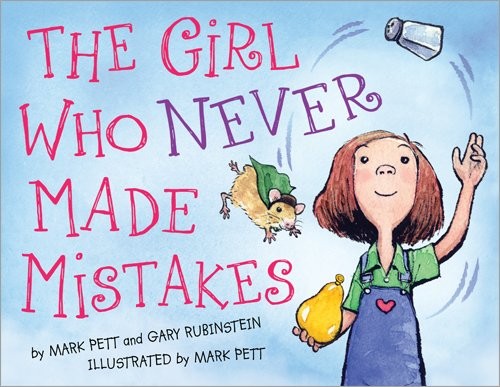
A parent might reach for this book when their child shows a fear of making mistakes or expresses a desire to be perfect in everything they do. The story follows Beatrice Bottomwell, a little girl famous in her town for never, ever making a mistake. This reputation creates immense pressure, which comes to a head during her performance in the school talent show. When she finally makes a spectacular, public blunder, she discovers a surprising and joyful freedom in imperfection. This book gently unpacks themes of anxiety, shame, and self-acceptance, showing children that mistakes are not failures but opportunities for laughter, growth, and connection. It's an excellent choice for kids aged 4-8 who are hard on themselves.
The book deals directly with performance anxiety and the fear of social shame. The approach is secular and metaphorical, using Beatrice's external fame to represent the internal pressure many children feel. The resolution is entirely hopeful, portraying the feared outcome (making a mistake) as a positive, liberating event.
Your experience helps other parents find the right book.
Sign in to write a reviewThis book is perfect for a 5 to 7-year-old child who exhibits perfectionist tendencies: the one who erases a drawing until the paper tears, cries over a spilled drink, or refuses to try a new sport for fear of not being good at it immediately. It's for the cautious child who feels the weight of self-imposed (or perceived) expectations.
This book can be read cold without any special preparation. Parents may want to pay attention to the illustrations, which brilliantly show Beatrice's quiet anxiety even when she is succeeding. This can be a good visual cue to discuss how someone might look calm on the outside but feel worried on the inside. A parent has just seen their child have a meltdown over a small error, like getting a question wrong on their homework or messing up a part in a game. They might hear their child say things like, "I can't do it! I'm going to mess it up," or, "I'm no good at this."
A younger child (4-5) will connect with the simple, clear message that mistakes are okay and will love the physical comedy of the big, splashy mistake at the end. An older child (6-8) will better understand the subtler themes of social pressure, the burden of a reputation, and the emotional concept of relief. They can have a more nuanced conversation about why being perfect was so stressful for Beatrice.
While many books address perseverance, this one is unique in its focus on the social and emotional *release* that comes from public imperfection. It's less about the grind of trying again and more about the joyful, liberating discovery that people won't reject you for your mistakes. The humor and public nature of the mistake make the lesson particularly powerful and memorable.
Beatrice Bottomwell is a local celebrity known for never making a single mistake. Her perfect record is followed by fans and reporters. This puts her under intense pressure, especially as she prepares for the school talent show where she will perform a juggling act with her hamster, Humbert. During the show, she makes a big, messy, and very public mistake. Instead of the ridicule she fears, the audience laughs and then cheers. Beatrice experiences profound relief and joy, realizing that being imperfect is much more fun and freeing than being perfect.
This overview was generated by AI based on the book's content and reviews, and may not capture every nuance.