
About This Book
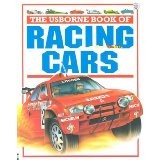
A parent should reach for this book when their child is constantly asking 'how does that work?' about every car that drives by. For the young, mechanically-minded kid who loves to see how things are put together, this book is a treasure. It uses incredibly detailed 'cutaway' illustrations to reveal the inner workings of all sorts of vehicles, from race cars to limousines. It fuels a child's natural curiosity and provides clear, accessible explanations for complex machinery. This is an excellent choice for nurturing an interest in science, technology, and engineering, building a sophisticated vocabulary while satisfying a child's deep need to understand their world.
What Parents Should Know
Sensitive Topics
N/A. This is a purely technical and informational book.
Ideal Reader
This book is perfect for a child aged 8-12 who is a visual learner and fascinated by mechanics. This is the kid who loves LEGO Technic sets, takes apart old electronics to see inside, or bombards adults with questions about how engines work. They are not just interested in what cars look like, but in the engineering and principles that make them function.
Parent Prep
No preparation is needed. The book is designed for exploration. A parent can read it cold with a child, and they will likely learn just as much. The text is clear, and the illustrations do most of the explanatory work. It is an excellent book for co-learning and discovery. A parent has just heard their child ask, for the tenth time, 'But how does pushing the pedal make the car go faster?' or 'What are all those pipes under the hood for?' The child is showing a deep, persistent curiosity about the mechanics of the world around them, moving beyond simple observation to questioning function.


Reviews
No reviews yet — be the first!
Your experience helps other parents find the right book.
Sign in to write a review


