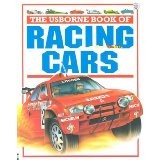
A parent might reach for this book when their child's fascination with cars moves from simple play to asking "how" and "why". It is perfect for the kid who lines up their toy cars, pores over vehicle details, or gets excited by races on TV. This classic Usborne guide offers a thrilling, fact-filled tour of the world of motorsports. It covers the history of racing, the different types of cars (from Formula 1 to rally cars), and the science behind their incredible speed. By focusing on the wonder of engineering and the excitement of competition, it channels a child's high-energy interest into a rewarding reading and learning experience, building vocabulary and satisfying their curiosity about how complex machines work.
The inherent danger of motorsports, including car crashes, is acknowledged. This is presented factually as a risk of the sport, not in a graphic or frightening way. The focus is on safety innovations and driver skill. The approach is entirely secular and technical.
The ideal reader is a 7 to 10-year-old child who is a budding engineer or a fact-finder. This child is captivated by mechanics, speed, and design. They might be a reluctant reader of fiction but will happily spend hours poring over diagrams and information about a topic they love. This book is for the child who is past simple picture books about cars and is ready for more technical vocabulary and concepts.
Your experience helps other parents find the right book.
Sign in to write a reviewNo specific preparation is needed. However, parents could preview it to note the 1994 publication date. This can be a great discussion point: a parent can ask the child to spot differences between the cars in the book and modern racing cars, leading to a conversation about technological progress. The parent has noticed their child is obsessed with speed. The child might be creating elaborate Hot Wheels tracks, asking pointed questions during a televised car race, or trying to look up "the fastest car in the world" online. The parent wants to provide a screen-free, educational resource to fuel this specific passion.
A 7-year-old will primarily engage with the dynamic illustrations, learning to identify different types of cars and absorbing impressive facts about speed and power. A 10-year-old will be more capable of reading and understanding the technical explanations. They will grasp concepts like downforce and turbocharging and might use the book as a reference for school projects or their own drawings.
Compared to more modern, photograph-heavy non-fiction books, this book's strength lies in its classic, detailed Usborne illustrations and cutaway diagrams. It provides a unique visual explanation of complex mechanics. Its broad scope, covering many forms of racing beyond just Formula 1, also sets it apart from more specialized titles.
This non-fiction book provides a comprehensive overview of the world of car racing. It is not a narrative but a thematic exploration. Chapters or sections cover the history of motorsport, a survey of different racing disciplines (Formula 1, IndyCar, rally, drag racing, endurance racing), and the technology that makes the cars fast. Key concepts like aerodynamics, engine design, suspension, and tire technology are explained using detailed illustrations and cutaway diagrams, which are a hallmark of the Usborne style.
This overview was generated by AI based on the book's content and reviews, and may not capture every nuance.