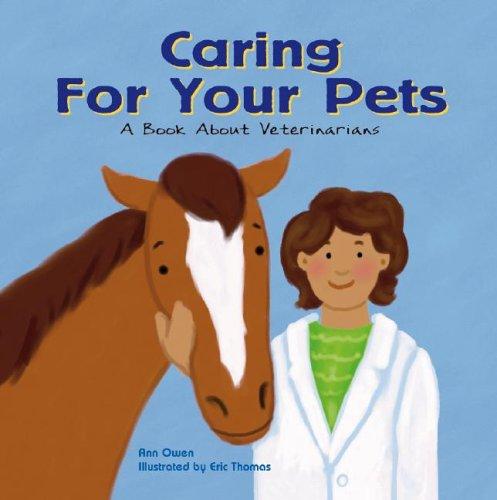
A parent might reach for this book when their child first expresses a strong interest in animals and the idea of becoming a veterinarian. It's a perfect, gentle introduction for a child who loves pets and is curious about how they are cared for when they are sick or need a check-up. This book uses simple language and clear, full-page photographs to explain the daily life of an animal doctor, from routine exams to helping on a farm. It supports emotional themes of empathy for animals and curiosity about the world of science and medicine. Ideal for early elementary readers, it provides a positive and accessible look at a caring profession, building vocabulary and inspiring compassion.
The book deals with sick and injured animals. The approach is direct but gentle, always focusing on the process of healing and care. There is no mention of animal death or euthanasia. Images might show animals with bandages or looking sad, but the context is always one of hope and help. The resolution is consistently positive: the vet is there to make the animal feel better.
Your experience helps other parents find the right book.
Sign in to write a reviewThe ideal reader is a 6 to 8-year-old who has declared, "I want to be a vet when I grow up!" This child loves animals, is not overly sensitive to seeing animals in mild distress (like getting a shot), and enjoys learning factual information through clear pictures and simple text. It's perfect for a child who has recently been to the vet with a family pet and is full of questions.
No specific preparation is needed to read this book; it can be read cold. However, parents should be prepared for follow-up questions it might inspire, such as, "Do all the animals get better?" or more detailed questions about animal anatomy or illness. The book keeps things simple, so a parent might need to provide a bit more context for a highly curious child. A parent might seek this book after their child expresses a new or persistent fascination with being an "animal doctor." The trigger could be a conversation after watching a show about animals, a trip to the vet, or seeing a pet get sick and wanting to know how to help.
A 6-year-old will primarily connect with the photographs of the animals and the idea of being a kind helper. They will grasp the basic concept of an animal doctor. An 8 or 9-year-old will absorb more of the specific vocabulary (vaccine, clinic, surgery) and may begin to understand the educational and scientific aspects of the profession. They might see it as a tangible career path.
Compared to narrative stories about vets, this book's strength is its direct, photographic, and encyclopedic simplicity. It is an archetypal "Community Helpers" book for the early reader set. Its clean layout, basic text, and high-quality photos make it an excellent vocabulary builder and a very accessible first step into non-fiction for children interested in STEM and animal care.
This non-fiction book for early readers provides a straightforward overview of the veterinary profession. It uses simple, declarative sentences and large, full-color photographs to explain what veterinarians do, the types of animals they treat (pets, farm animals), the tools they use (stethoscope, X-rays), and where they work (clinics, zoos, farms). The content covers basic procedures like check-ups, giving medicine, and taking care of injuries in a very accessible way.
This overview was generated by AI based on the book's content and reviews, and may not capture every nuance.