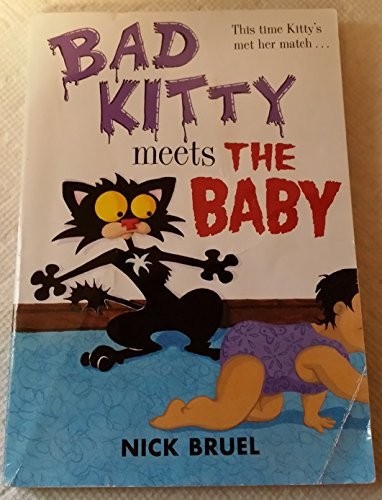
A parent might reach for this book when their child is showing resistance or anxiety about a new experience, like a first trip to the beach or starting a new camp. Bad Kitty is NOT excited for her beach day. She hates the sun, the sand, and the water with a passion, and she isn't shy about showing it. Through Nick Bruel's signature hyper-expressive illustrations and humor, this story validates a child's big, negative feelings about the unknown. It shows that it's okay to feel grumpy or overwhelmed, but also that pushing through that discomfort can lead to unexpected joy and fun. It's a perfect, lighthearted read for ages 4 to 8 to help open a conversation about trying new things.
None present. The book's conflict is entirely situational and emotional, centered on a character's internal resistance to a new environment. The approach is humorous and resolutions are positive and simple.
Your experience helps other parents find the right book.
Sign in to write a reviewA 4 to 6 year old who is rigid, sensory-sensitive, or anxious about new experiences. This book is perfect for a child who defaults to saying "no" before they have even tried something, especially an outdoor activity like going to the beach, lake, or pool.
No prep is needed; the book can be read cold. The humor is direct and the story is self-contained. A parent should be prepared to embrace Kitty's negativity with a laugh rather than treating it as a behavior to be corrected, as this is key to the book's effectiveness. A parent is preparing for a vacation or new outing and their child is already protesting and refusing to go. The child might be saying, "I'm not going to like it!" or "It sounds boring/scary/yucky!" This book gives the parent a tool to broach the subject with humor.
A younger child (4-5) will connect with the physical comedy, the exaggerated facial expressions, and the simple, relatable feeling of being angry. An older child (6-8) will better appreciate the wordplay, the structure of Kitty's complaint lists, and the meta-narrative of changing one's own mind. They can articulate the shift in Kitty's perspective.
Unlike many stories that gently coax a character to try something new, this book dives headfirst into the character's rage. It normalizes intense frustration through over-the-top humor, allowing a child to laugh at feelings they might otherwise find overwhelming. The comic-style format makes the emotional content highly accessible and entertaining, rather than preachy.
Kitty's family takes her to the beach for the first time, much to her dismay. She expresses her extreme anger and frustration with every aspect of the experience: the hot sun, the gritty sand, and the cold, wet ocean. Through a series of hilarious, slapstick encounters with waves, seagulls, and other beach phenomena, Kitty's rigid negativity slowly breaks down. She accidentally discovers a fun activity (likely digging or chasing something) and by the end, has completely reversed her opinion, fully embracing the joy of the beach.
This overview was generated by AI based on the book's content and reviews, and may not capture every nuance.