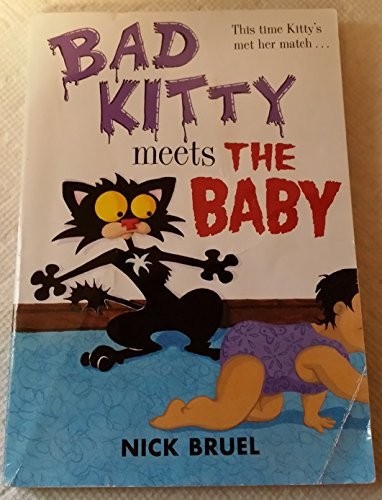
A parent might reach for this book when their child is struggling with the frustrations of teamwork, competition, and not being the best at everything. In this hilarious installment of the popular series, the ever-cranky Kitty is forced to join a neighborhood team with the relentlessly cheerful Puppy and the fact-spouting Uncle Murray. The book uses its signature graphic novel style and laugh-out-loud humor to explore big feelings like anger and frustration when things don't go to plan. It's a perfect choice for early elementary schoolers learning to navigate team sports or group projects, as it validates their intense emotions while gently modeling that everyone can contribute to a team in their own unique way.
This book does not contain sensitive topics. The conflicts are entirely interpersonal and situational, centered on the common childhood challenge of learning to be a good sport. The approach is secular and humorous, with a hopeful and realistic resolution: Kitty doesn't magically transform into a perfect teammate, but she learns to apply her personality in a constructive way.
A 6 to 8-year-old who is highly competitive and melts down when they are not the best at a game or activity. This book is for the child who tends to throw the game pieces, declare "I quit!", or blame their teammates when things are not going their way. It speaks directly to the child who struggles with seeing the value in participation over winning.
Your experience helps other parents find the right book.
Sign in to write a reviewNo parental prep is necessary. The book can be read cold. The story is self-contained and the humor is very accessible. The factual interludes from "Uncle Murray" provide natural stopping points for a quick chat if a parent wishes, but the narrative flows perfectly without interruption. The parent has just witnessed their child have a difficult time in a group setting. Perhaps they refused to cooperate in a game at a playdate, stormed off the field during a soccer game, or cried in frustration during a family board game night, saying things like "It's not fair!" or "I'm no good at this!"
A younger child (age 6) will primarily enjoy the slapstick humor, the expressive illustrations of Kitty's anger, and the simple, clear message about finding a way to help. An older child (age 8-9) will better appreciate the wordplay, the satire of competitive events, and the more nuanced lesson about how different skills and personalities can strengthen a team. They can engage more deeply with the concept of sportsmanship.
Unlike many earnest books about teamwork, this one uses over-the-top humor and an unashamedly grumpy protagonist to make its point. It validates a child's big, angry feelings by exaggerating them to a comical degree, which makes the eventual lesson feel earned rather than preachy. The graphic-novel-chapter-book hybrid format makes the complex social-emotional topic highly accessible and entertaining.
Kitty is forced by her owners to participate in the "Neighborhood Love-a-Palooza" festival. She is placed on a team with the cheerful Puppy and the pedantic Uncle Murray. Consumed by a competitive spirit and fury, Kitty fails spectacularly at every event, from the three-legged race to the pie-eating contest, dragging her teammates down with her. After a massive tantrum, she ultimately discovers she can use one of her "bad" traits (her loud yowling) to help her team win the final cheer competition, learning a valuable lesson about sportsmanship and unique contributions.
This overview was generated by AI based on the book's content and reviews, and may not capture every nuance.