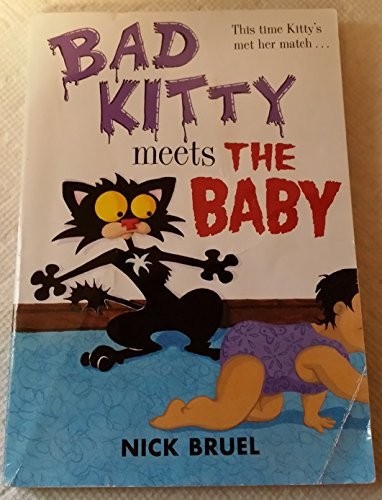
A parent might reach for this book when their child is feeling scared or angry about an upcoming trip to the doctor or veterinarian. The story follows the notoriously grumpy Bad Kitty, who gets sick and must face her biggest fear: a visit to the vet. Through hilarious, over-the-top antics and a mix of comic-style panels and informational facts, the book explores feelings of fear, frustration, and eventual bravery. It’s perfect for early elementary readers (ages 5-8) who appreciate silly humor. This book is a fantastic tool for normalizing a child's big emotions around medical visits and opening a lighthearted conversation about why those visits are necessary, even when they're scary.
Your experience helps other parents find the right book.
Sign in to write a reviewThe book deals directly with the common childhood fear of doctors and medical procedures. The approach is entirely secular and uses humor to diffuse anxiety. The resolution is hopeful and simple, revealing the scary illness was just a minor, common issue (a hairball), which reassures readers that not all sickness is serious.
This is for an anxious 5 to 8-year-old who expresses fear through anger, stubbornness, or acting out. It perfectly mirrors the internal chaos a child feels and externalizes it in a funny way, making those feelings feel less powerful. It's also excellent for emerging independent readers who love graphic novels and silly humor.
A parent should be prepared for Kitty's very destructive behavior. It's best to frame it as a humorous example of how big feelings can make us act silly, not as a model for behavior. Parents can decide whether to read the more text-heavy "Uncle Murray" fact pages or skip them based on their child's engagement level. A parent learns their child needs to go to the doctor or dentist for a checkup or shot, and the child's reaction is immediate and negative: tears, shouting, hiding, or declaring "I won't go!"
A younger child (4-5) will focus on the slapstick comedy and the visual gags of Kitty's outrage. They'll connect with the simple feeling of being scared. An older child (6-8) will better appreciate the wordplay, the comic panel format, and the educational non-fiction sections. They can have a more nuanced conversation about how fear can look like anger.
Unlike gentler books about doctor visits, this one tackles anxiety with loud, chaotic humor. It validates a child's most extreme feelings by exaggerating them to a comical degree. The unique hybrid format of chapter book, graphic novel, and non-fiction fact sheet makes it highly engaging and re-readable for a wide range of early readers.
Bad Kitty is feeling sick: she's lethargic and won't eat her favorite foods. Her owner decides she must go to the vet, which sends Kitty into a panic. She reacts with her typical destructive rage, trying to avoid the visit. At the vet's office, the visit is chaotic but the veterinarian is patient and kind. It's discovered that Kitty just has a hairball. After it's resolved, she feels much better. The narrative is frequently interrupted by "Uncle Murray's Fun Facts," which provide real information about cats and veterinary science in a humorous way.
This overview was generated by AI based on the book's content and reviews, and may not capture every nuance.