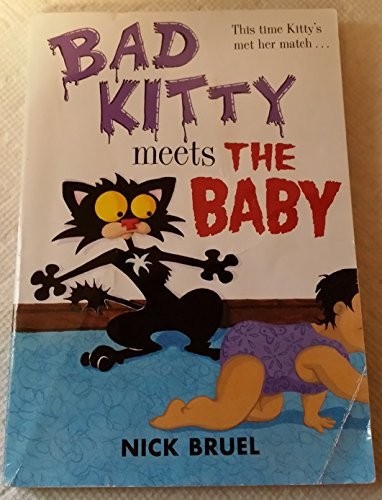
When would a parent reach for this book? For a child who feels overwhelmed by birthday parties or struggles with social expectations. Nick Bruel's latest Bad Kitty adventure finds our favorite feline being forced to attend a party, and she is not happy about it. Through hilarious graphic novel panels, the book explores feelings of anger, social anxiety, and frustration in a way that is validating and funny for kids 6 to 9. It uses humor to normalize these big emotions, making it a perfect tool to gently open a conversation about how to handle situations we don't enjoy.
The core emotional struggle is social anxiety and anger management, presented in a comedic, non-threatening way. The book is secular and uses the metaphor of an extremely poorly behaved cat to explore a child's internal resistance to social norms. The resolution is realistic and hopeful: Kitty doesn't magically love parties, but she survives and perhaps learns a little.
Your experience helps other parents find the right book.
Sign in to write a reviewThis is for a 7-year-old introvert who dreads upcoming birthday parties. This child may feel anxious about the noise, the number of people, or the pressure to participate and "have fun." They might express their anxiety through grumpiness or defiance, and this book validates those feelings by showing a character who acts them out in an exaggerated, hilarious way.
No preparation is needed. The book can be read cold and is designed for immediate enjoyment. A parent can simply offer it as a funny story, and the themes will emerge naturally. The educational interludes can be read or skipped based on the child's preference. A parent has just received a party invitation that their child immediately rejects with a tantrum or sullen refusal. Or, they have just survived a party where their child was withdrawn, argumentative, or clearly miserable, and the parent is looking for a way to talk about it without lecturing.
A 6-year-old will primarily enjoy the slapstick humor, Kitty's outrageous behavior, and the bright, dynamic illustrations. An 8 or 9-year-old will better grasp the underlying social commentary. They can connect Kitty's internal monologue to their own feelings of social discomfort and appreciate the humor in her failed attempts to be a good guest.
Unlike prescriptive social-emotional books that teach children *how* to behave, this book's strength is validating the desire *not* to. It gives a voice to the child who feels grumpy and overwhelmed. By using an anti-hero and absurdist humor, it creates a safe space for kids to laugh at these feelings instead of feeling ashamed of them, making it a uniquely effective conversation starter.
Kitty is forced to attend a birthday party for her acquaintance, Strange Kitty. Armed with a terrible attitude and an intentionally bad present, Kitty navigates the gauntlet of party games, cake, and forced socialization. The story follows her comically grumpy reactions to each event, juxtaposed with the cheerful antics of the other guests. As with other books in the series, the narrative is interspersed with "Uncle Murray's Fun Facts," this time likely about party etiquette or history. The climax involves a chaotic party mishap, and while Kitty may not transform into a social butterfly, she experiences a tiny shift in perspective about friendship and tolerance.
This overview was generated by AI based on the book's content and reviews, and may not capture every nuance.